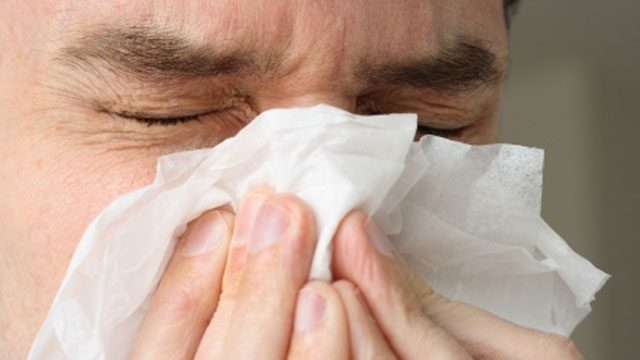
El Paso residents are noticing a spike in allergy symptoms as the city’s fall weather brings stronger winds and occasional rain. The combination moves soil, dust and a variety of pollen‑producing plants—such as ragweed, pigweed, sagebrush and tumbleweeds—through neighborhoods, irritating nasal passages and throats.
Why the season feels different
According to the University Medical Center (UMC) in El Paso, the current pattern of wind and rain lifts allergens from the ground and carries them farther than usual. When these particles settle in the air, they can trigger a runny nose, sneezing, nasal congestion and post‑nasal drip. For people with asthma, the irritation can lead to coughing and wheezing, which may be mistaken for a more serious respiratory issue.
Distinguishing allergies from a viral illness
Family medicine physician Dr. Kristie Benejan of UMC cautions that the symptoms of allergies can overlap with those of a cold or flu, making self‑diagnosis tricky. “Viral illnesses are usually associated with a feeling of fatigue and being run down,” she says. “You’ll also notice a more persistent cough and sore throat. If you’ve been around someone with similar symptoms, it could be contagious rather than just allergies.”
When to seek medical care
If allergy symptoms linger beyond a week, worsen, or are accompanied by fever, shortness of breath, or chest pain, Dr. Benejan recommends seeing a healthcare provider. “Allergies can be dangerous for those with asthma,” she notes, “because they can suppress normal cough reflexes and increase wheezing.”
Treatment options
For those already on a prescribed allergy regimen that isn’t providing relief, Dr. Benejan suggests revisiting the treatment plan with a primary‑care doctor. “Start with the allergy medications you’ve already been prescribed,” she advises. “Over‑the‑counter antihistamines can also be helpful for some people, but it’s best to discuss any new medication with your doctor.”
Practical steps to reduce exposure
- Keep windows closed on windy days and use air filters when possible.
- Shower and change clothing after spending time outdoors to wash off pollen.
- Monitor local pollen forecasts, which are often posted by UMC and weather services.
- Consider using a saline nasal rinse to clear irritants from the nasal passages.
By staying informed about the seasonal rise in allergens and following Dr. Benejan’s guidance, El Paso families can better manage their symptoms and protect those with asthma from complications.
Original reporting: El Paso News (HLL/CB) — read the source article.