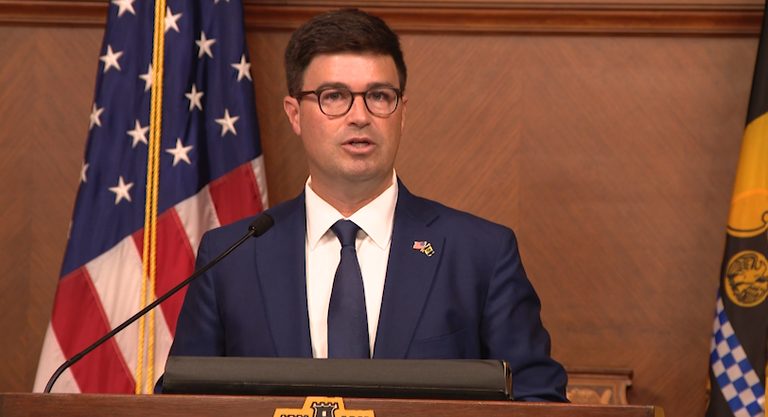
Pittsburgh Mayor Corey O’Connor used his State of the City address on Monday to lay out the city’s 2027 budget proposal. Facing a projected $250 million deficit over the next five years, the mayor said the plan relies on a $28 million draw from the city’s rainy‑day fund to keep essential services funded while preserving fiscal responsibility.
Fiscal stewardship and cost‑saving measures
“Starting with this budget, we must bring back strong financial responsibility,” O’Connor declared. He emphasized that decisive leadership will put Pittsburgh’s future ahead of partisan politics and require tough decisions. Among the cost‑saving steps, the administration will eliminate several vacant positions and reject hundreds of department funding requests, helping to close the gap without raising taxes on residents.
Support for violence‑prevention programs
While the Housing Opportunity and Stop the Violence initiatives will not receive additional appropriations next year, the mayor’s staff confirmed that millions of dollars remain earmarked for contracts with violence‑prevention organizations. Chief of Staff Dan Gilman noted, “Our commitment is on the focus, not the structure. We will continue to fund the priorities and see positive results on the streets as violence declines.”
Housing opportunity and affordable‑home investments
The budget also reallocates millions to the Urban Redevelopment Authority (URA) for affordable‑housing, home‑ownership and small‑business development. Councilman Bob Charland explained, “The trust fund changes. It is a transfer to the URU, allowing the URU to reprogram that money how it wants to be.” He added that the Housing Opportunity Fund remains a critical resource for his district.
Community response and next steps
A group of residents gathered before the speech to voice support for the Housing Opportunity and Stop the Violence programs, underscoring community backing for the mayor’s priorities. City Council District 1 representative Bobby Wilson said, “We still have funds from previous years that will continue to fund these programs and those trust funds that we have learned about, and have been, you know, success stories.” Wilson also noted that the city is on a path to make the right spending choices, even if hard decisions lie ahead.
The proposal will be reviewed at a public hearing before the city council in December, after which council members will vote on the final budget. If approved, the plan will guide Pittsburgh’s finances through the next five‑year deficit window while maintaining essential services and avoiding new taxes for residents.
Original reporting: WTAE (Hearst) – local — read the source article.