Utility giant Eversource has filed a request with the Public Utilities Regulatory Authority (PURA) for a $757 million increase in residential electric rates. The proposal would raise the average household bill by roughly $33 a month, an 18% jump that includes storm‑related costs.
Public comment highlights affordability concerns
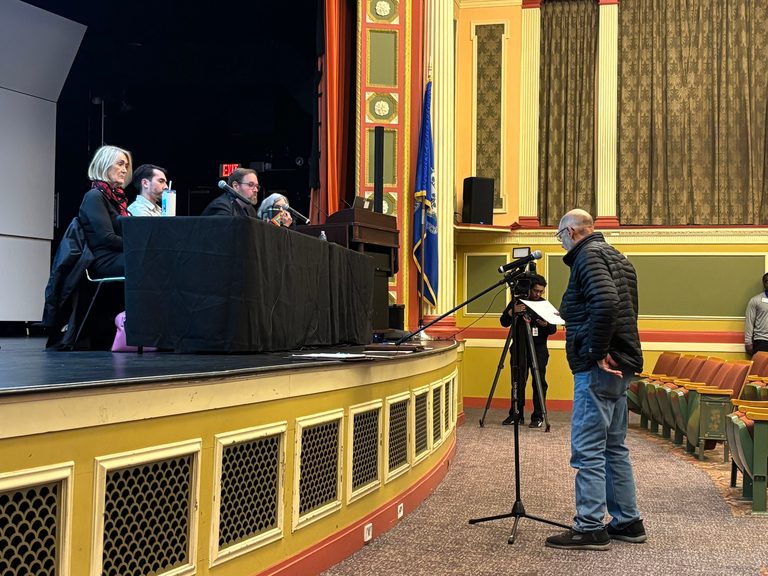
At a public comment session in New Britain on Monday, dozens of customers voiced strong opposition. “You’re asking me to pay more for something that’s just a given,” said Geof Fang of Southington. Others warned that higher bills could force families to choose between essential needs.
Aimee Borden of Cheshire called the decision “moral” rather than political, adding, “No family should choose between filling the oil tank, buying lifesaving medication and heating their home in mid‑winter.” The sentiment reflects growing anxiety as household expenses continue to rise across Connecticut.
Eversource’s justification
Eversource argues the additional revenue is essential to maintain the state’s power grid, respond quickly to storm‑related outages, and meet increasing demand. “Customers expect and demand to have electricity working 24/7. They don’t want to see power interruptions. But when they do, they want a fast response to get that power back on and that comes at a cost,” said Jamie Ratliff, a company spokesperson.
The utility emphasized that the request funds operational needs—not executive compensation. “It’s paying for the crews, the people, the storm response, the equipment, the poles, the wires, the transformers,” Ratliff explained.
Regulatory context and alternatives
The $757 million request includes a separate storm‑cost component. If PURA approves a mechanism that recovers storm costs independently, the remaining increase would be $451 million, or about an 11% hike, translating to roughly $20 extra per month for the average household.
The Office of Consumer Counsel, a watchdog representing utility customers, warned that the proposal would be the largest rate increase in Connecticut history. The agency plans to push for significant reductions as regulators review the filing.
Next steps and upcoming comment sessions
PURA is expected to consider the rate case next year and issue a decision before the end of June. If approved, the new rates would take effect on July 1.
Customers who missed the New Britain session have three additional opportunities to comment: November 16 in New London at The Red Barn at Mitchell College, November 23 in Danbury at the Ives Concert Hall at Western Connecticut State University, and a virtual session on December 9 at noon.
As the debate continues, many residents like Fang stress the principle that essential services should be provided at cost, not for profit. “Provide us that mandatory service at the cost to provide that service. You shouldn’t make a profit off of it,” he said.
Original reporting: NBC Connecticut — read the source article.