Romulus, Mich. – At a packed City Hall meeting on Monday, the Romulus City Council took decisive action on two emerging municipal issues: the potential siting of data centers and the city’s growing network of Flock surveillance cameras. After hearing a chorus of resident concerns, council members voted unanimously for a six‑month moratorium that bars the city from reviewing any new data‑center proposals or applications during that period.
Resident concerns drive the moratorium
Community members who attended the meeting expressed worries about the environmental impact of large data‑center facilities, citing noise, energy consumption, and the desire to preserve the character of their neighborhoods. “We don’t need a massive data center in our backyard,” one resident said, echoing a broader sentiment that the city should prioritize quality of life for families.
Council members acknowledged these concerns and emphasized that the moratorium is a precautionary step, not a permanent ban. “We want to make sure we have all the facts and community input before moving forward,” said Councilwoman Maria Hernandez. “This pause gives us time to study the environmental and economic implications thoroughly.”
Flock camera program under scrutiny
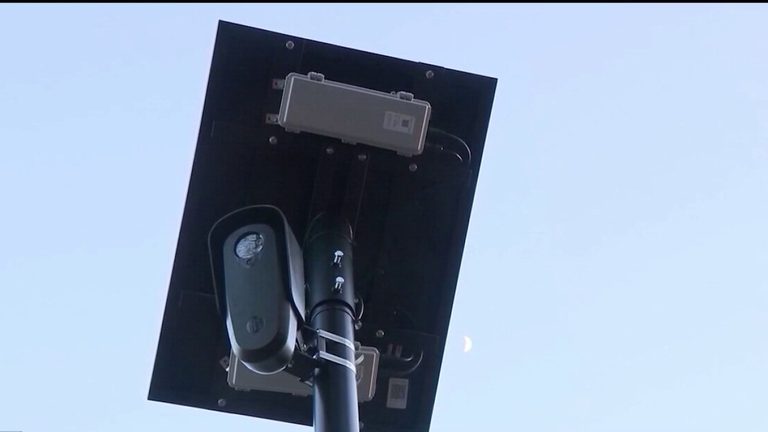
In the same session, the council turned its attention to the city’s Flock camera initiative, which currently operates twenty cameras with an additional thirty slated for installation. Residents questioned the funding source, asking whether the cameras were financed through the city’s Tax Increment Finance Authority (TIFA Board) or the police department.
Mayor Robert McCraight addressed the discrepancy in contract amounts, noting that an initial figure of $47,500 was later revised to $90,000 due to a clerical error. “It was a typo by a clerical person,” the mayor explained. “We’re correcting it so everyone is on the same page.” He added that the TIFA Board was aware of and approved the funding, describing the cameras as a tool to help reduce violent crime, which he said is largely committed by non‑residents.
Balancing public safety and fiscal responsibility
Mayor McCraight highlighted Romulus’s unique position as a gateway community for Detroit Metropolitan Airport, noting the city serves 30‑million travelers annually—more than the combined attendance of major theme parks. “We need the best technology to protect our residents and visitors,” he said, while also acknowledging the need for ongoing evaluation of the program’s effectiveness and cost.
The council’s decision to pause data‑center proposals and to scrutinize the Flock camera funding reflects a broader commitment to transparent governance and responsible stewardship of taxpayer dollars. By placing these issues front and center, Romulus officials are giving families and faith‑based community members a voice in shaping the city’s future development.
Next steps
During the six‑month moratorium, the council will commission an independent environmental impact study on data‑center projects and will hold a public forum on the Flock camera system. The findings will be presented at a follow‑up council meeting, where officials will decide whether to lift the moratorium or adopt additional safeguards.
Residents are encouraged to submit written comments to the city clerk’s office or attend the upcoming public forum scheduled for early February. The council’s proactive approach underscores Romulus’s dedication to protecting both the environment and public safety while maintaining fiscal responsibility.
Original reporting: Warren | FOX 2 Detroit — read the source article.