Around seven on a Thursday, the dining room at Olea fills quietly but completely. Tables turn without rushing. A couple near the window splits a plate of patatas bravas and a carafe of Albariño. At the bar, a solo diner works through a bowl of saffron-scented arroz caldoso with an expression of focused contentment. This is not a scene that announces itself. It just unfolds.
Olea sits on New Britain Avenue in Hartford’s West End, a stretch that most visitors drive through without stopping. The building is a converted storefront, modest from the outside, warm and close once inside. The room holds maybe forty covers. Exposed brick, low lighting, a short bar along one wall. Nothing here is theatrical. The food is the whole point.
The menu draws on Spanish and Mediterranean influences without getting fussy about it. Chef James Pappas, who has cooked in Hartford for years, runs a kitchen that knows restraint. Portions are honest. Ingredients are sourced with enough care that the difference shows up on the plate rather than in the menu copy. The charcuterie board — manchego, Serrano ham, marcona almonds, house-pickled vegetables — is a reliable way to start, particularly if the table is still deciding. The braised lamb shank, when it’s on the menu, is the kind of dish that makes a person cancel whatever they’d planned to do afterward.
Vegetable dishes get real attention here, which is worth noting. The roasted beet salad with whipped goat cheese and pistachios is not an afterthought. The wood-roasted cauliflower arrives charred at the edges and dressed with harissa and herbs in a way that makes the vegetable taste more like itself, not less. These are small decisions that add up.
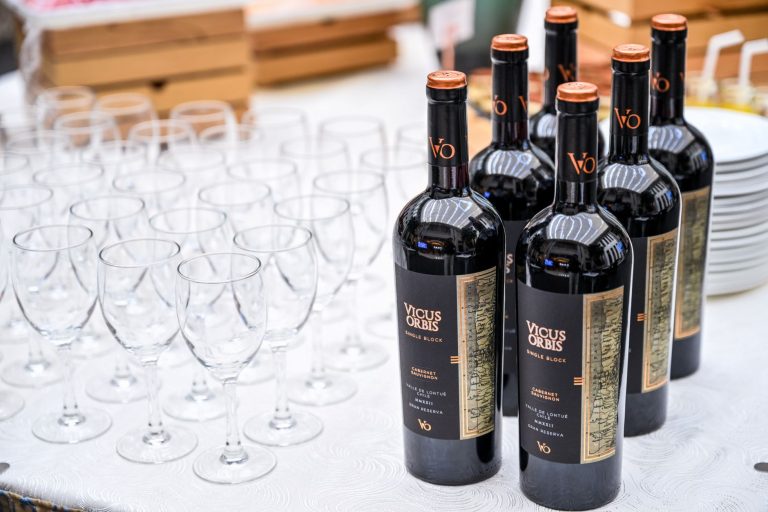
The wine list skews Iberian and Italian, with enough range to satisfy without overwhelming. Prices are reasonable for the quality — a good bottle can be had for thirty to forty dollars, and the by-the-glass options are genuinely well-chosen rather than filler. The staff knows the list and talks about it plainly, without pretense.
What catches first-time visitors off guard is the pacing. Olea does not operate on a conveyor belt. Courses arrive with actual intervals between them. This is not slowness born of disorganization; it’s intentional, and once the rhythm is clear, it becomes one of the better things about the meal. There is time to talk. There is time to actually taste what’s on the plate.
Reservations are worth making, especially on weekends, when the room fills early and doesn’t thin out until well past nine. Weeknight visits are slightly more relaxed. A full dinner for two — appetizers, entrees, a bottle of wine, dessert — lands somewhere between ninety and a hundred twenty dollars, which feels fair given what arrives at the table.
Hartford has no shortage of places to eat. What it has less of are restaurants that operate with this kind of quiet consistency — no gimmicks, no concept that needs explaining, just a kitchen doing its job well night after night in a neighborhood that most food coverage overlooks. The West End has been here all along. Olea makes a compelling case for paying attention.