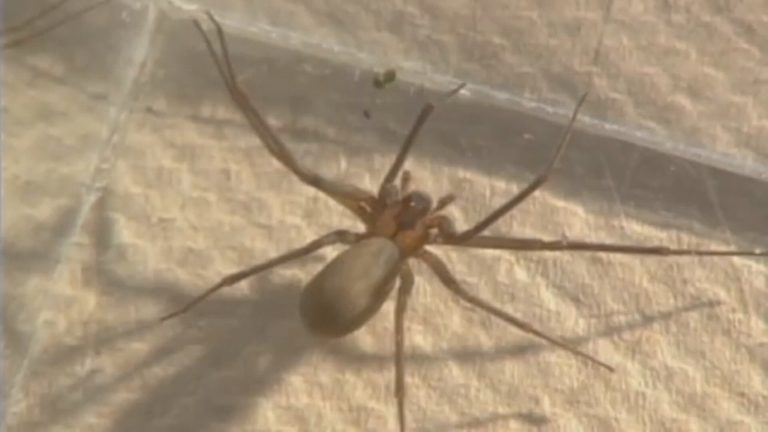
With the first chill of winter arriving in Missouri, pest‑control professionals in Springfield are alerting residents that brown recluse spiders are looking for warm, undisturbed places to hide. Jordan Hicks, director of sales and service at Bug Zero, a local pest‑control company, explains that attics are the most common hotspot for these spiders.
Why attics and storage areas attract brown recluse spiders
Brown recluse spiders prefer dark, undisturbed environments that offer plenty of hiding spots. “The number one spot we see the majority of brown recluse activity is probably your attic space,” Hicks said. He added that the insects also favor cluttered locations, such as boxes of holiday decorations or stacked cardboard.
Practical steps to reduce spider presence
Hicks recommends a simple rule of thumb: before bringing items from the attic or any storage area into the home, shake them out thoroughly. “They love cardboard boxes, anything stacked. So if you can remove some of that, that’ll remove some of the areas they like to hang out,” he said.
Additional measures include:
- Minimizing clutter in closets, basements, and garages.
- Sealing cracks and gaps around windows, doors, and foundation walls.
- Using a vacuum with a HEPA filter to remove spider webs and egg sacs.
- Keeping outdoor lighting directed away from the house to reduce insect attraction, which in turn reduces food sources for spiders.
Identifying a brown recluse spider
According to Hicks, brown recluse spiders are typically brown to dark‑gray with a distinctive dark brown violin‑shaped marking on the cephalothorax that extends toward the abdomen. “Most of the time they’re brown to a darkish gray in color, so that’s what you’re going to see,” he explained.
When bites occur and what to watch for
Brown recluse spiders do not seek out humans, but bites can happen when a person rolls over on a spider in bed or reaches into a winter coat that has been stored in an attic. “Most bites happen when someone either rolls over on them in bed or you get that winter coat out for the season, you put your arm in there, and there’s a brown recluse in there,” Hicks said.
Scott Allen of the Webster County Health Department outlined symptoms that should prompt medical attention: chills, itching, fever, nausea, a reddish or purplish area around the bite, sweating, or a large sore developing at the site. “If you start developing more symptoms such as chills, itching, generally feeling ill or just kind of uncomfortable, if you start developing a fever, nausea, reddish or purplish color around the bite, sweating, or you start developing a large sore in that area, then it’s time to seek medical help,” Allen advised.
Community response and resources
Bug Zero offers inspection and treatment services for homeowners concerned about brown recluse activity. Residents can contact the company for a professional assessment and to discuss integrated pest‑management options that focus on prevention and safe removal.
Local health officials also encourage residents to report any suspected spider infestations to their county health department, especially if bites result in severe symptoms. Prompt reporting helps public‑health officials track patterns and provide timely guidance.
Protecting families this winter
By taking proactive steps—decluttering storage spaces, sealing entry points, and staying vigilant for the spider’s distinctive markings—Springfield families can reduce the likelihood of unwanted encounters with brown recluse spiders as the weather turns colder. Maintaining a tidy home not only deters pests but also creates a safer, more comfortable environment for all household members.
Original reporting: KY3 Springfield (local) — read the source article.