A three‑year pilot called Project PACT (Partners Advancing Community‑centered Tobacco and Nicotine Use Prevention) began this September at the University of Arkansas for Medical Sciences (UAMS). Backed by a roughly $711,000 grant from the National Institutes of Health, the initiative aims to develop more effective ways to reduce nicotine use among teens in rural Arkansas.
Why the project matters
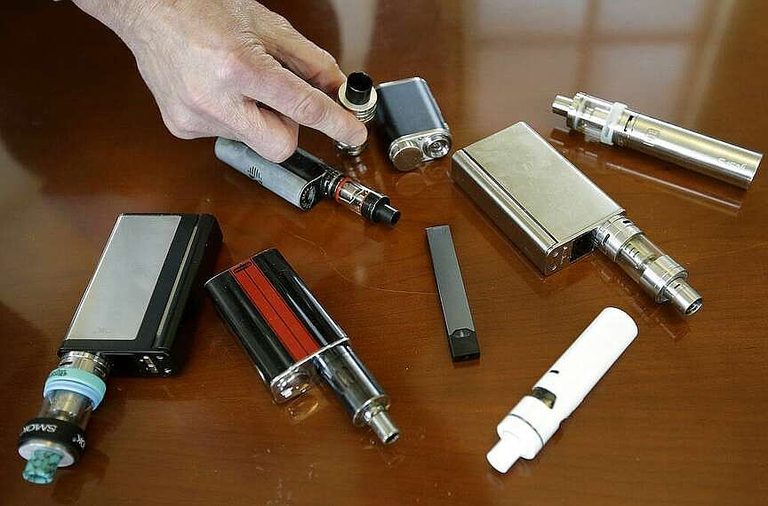
According to a 2025 state survey, about 19% of Arkansas high schoolers reported using cigarettes, cigars, vapes or smokeless tobacco at least once in the past 30 days. The survey did not count nicotine pouches such as Zyn, which have become increasingly popular among youths, so the true rate is likely higher, UAMS associate professor Ashley Clawson said.
Clawson noted that roughly 9% of Arkansas high schoolers reported frequent use—defined as at least 20 days in a month—compared with a national rate of 6.6%. Arkansas also ranks among the nation’s highest for adult cigarette smoking and lung‑cancer diagnoses, a pattern experts label the “tobacco nation.”
Targeting the youngest users
Project PACT will focus on sixth‑graders in rural districts, recognizing that early prevention can stop nicotine addiction before it becomes a lifelong habit. “Middle schools are really sort of a key place where we see that prevention is really important, with continued efforts through high school,” Clawson explained. She added that the greatest “bang for our buck” comes from starting prevention in elementary school.
The Arkansas Department of Health’s recent “Coral’s Reef” campaign, which delivers nicotine‑prevention messaging to children ages five to seven, will serve as a model for the project’s outreach.
Engaging families and educators
Clawson’s team has spent nearly two decades studying tobacco and nicotine use. Their conversations with parents and teachers reveal a common struggle: many adults who use tobacco feel guilty and judged when talking to their children about avoiding nicotine. “They want to know what to do. They just need some more help with knowing, ‘What do I do?'” she said.
In rural areas, schools often lack clear guidance on which prevention programs to adopt or lack the resources to implement them. Project PACT will bridge those gaps by working directly with educators, parents, and students to develop culturally relevant, engaging strategies.
Testing and scaling the approach
During the first two years, the team will conduct listening sessions with rural educators, sixth‑graders and their families to refine prevention concepts. In the final year, the project will pilot the most promising strategies in two yet‑to‑be‑selected rural schools.
The initiative also includes a partnership with Stanford University to create a school‑based prevention toolkit, incorporating feedback from Arkansas educators and families.
Looking ahead
Clawson hopes the pilot will demonstrate a model that can be expanded statewide. “The goal is to not only apply for another grant to test it out wider, but also to be very purposeful from the beginning—how can we make this something that stays available to schools and families?” she said.
Rural counties in Arkansas, especially in the Delta region, face lower life expectancies and higher youth‑smoking rates, but they also possess strong community ties. Project PACT seeks to leverage those strengths to protect the next generation from nicotine addiction.
Original reporting: Texarkana Gazette — read the source article.