Salem, Ore. – A comprehensive study released Monday by the Mid‑Willamette Valley Community Action Agency reveals that the majority of people experiencing homelessness in the Salem area are locals, not newcomers. The 129‑page report, compiled with the help of Portland‑based Woodson Insights Research + Evaluation, surveyed 161 individuals who are currently homeless or have recently exited homelessness, interviewed 90 staff members at local service agencies, and held eight community discussions with 56 participants.
Key Findings
Between March and August of this year, researchers gathered data from 44 sheltering programs across Marion and Polk counties. The study shows that 84% of clients became homeless while living in the two counties, and 61% grew up in the Salem area or have lived there for more than four years. An additional 19% have lived in the region for between four and ten years.
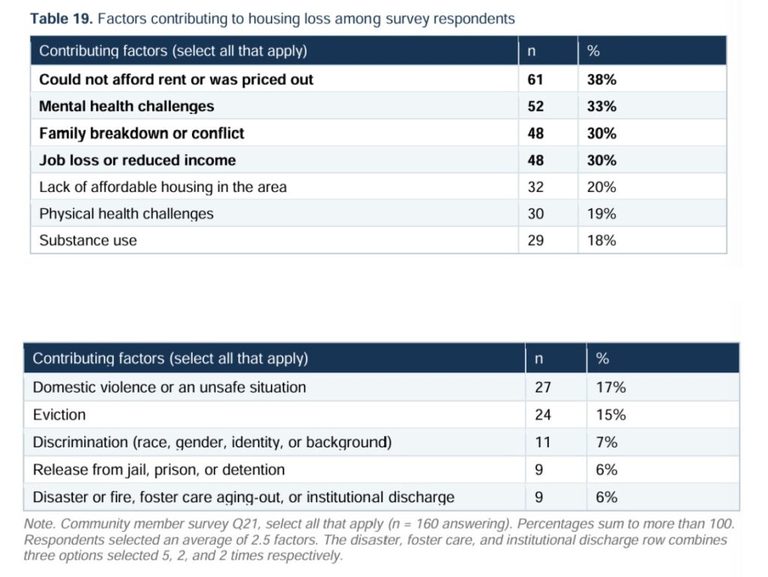
Affordability is the top driver of homelessness. The report notes that 38% of respondents cited an inability to pay rent as the primary reason they lost housing, while 13% pointed to rent costs directly. Other leading triggers include divorce or the death of a partner (16%), domestic violence (12%), and a significant loss of income (11%).
Demographics and Challenges
Most respondents have been without stable housing for over a year, often cycling in and out of shelters. Three‑quarters report a long‑term physical or mental health condition, and nearly one‑third have both. Common conditions include spinal injuries, stroke, traumatic brain injuries, seizure disorders, deafness, and wheelchair use.
Economic hardship is stark. Of the 149 respondents who reported any income, 64% earn less than $500 a month, most of it from SNAP food benefits. Only about a quarter hold a job, while 29% are actively seeking work. Many say that even when they receive a voucher or subsidy, the timing of paychecks does not align with rent due dates, leaving them unable to stay housed.
Access to Assistance
When asked what help they accessed, the most common answer was food benefits, followed by assistance from friends or family. Only 20 respondents received rental assistance, and just three had a case manager or housing advocate working to keep them housed. While most who received help said it provided temporary relief, 40% felt the assistance was insufficient.
Barriers to shelter and housing include long waitlists, lack of transportation, and shelter rules that prohibit pets or partners. Nearly half of unsheltered residents reported being turned away because shelters were full.
Provider Perspective
Agency executives say the findings confirm long‑standing concerns about shelter capacity. Jimmy Jones, executive director of the community action agency, noted that providers reported an 84% increase in people seeking a place to sleep over the past year, and that there is a shortage of more than 1,000 beds for those without special funding eligibility, such as veterans or families with children.
Deputy executive director Ashley Hamilton emphasized the need for more walk‑in shelters and a stronger post‑shelter pipeline. “We cannot shelter our way out of it. We need a more robust pipeline post‑shelter,” she said.
What Comes Next
The report calls for expanded shelter capacity, more accessible walk‑in options, and streamlined pathways to permanent housing. Community leaders and service providers hope the data will guide policymakers in allocating resources to address the root causes of homelessness, particularly the lack of affordable housing.
Original reporting: Salem Reporter — read the source article.