Flagstaff, AZ – This week the city joins the nation in commemorating the centennial of the federal highway system, a milestone that also marks 100 years since the iconic Route 66 was officially designated. Historians at the Museum of Northern Arizona explain that the famous highway traces its roots back to 19th‑century wagon trails that crossed the Southwest long before automobiles roamed the desert.
From wagon trains to the Mother Road
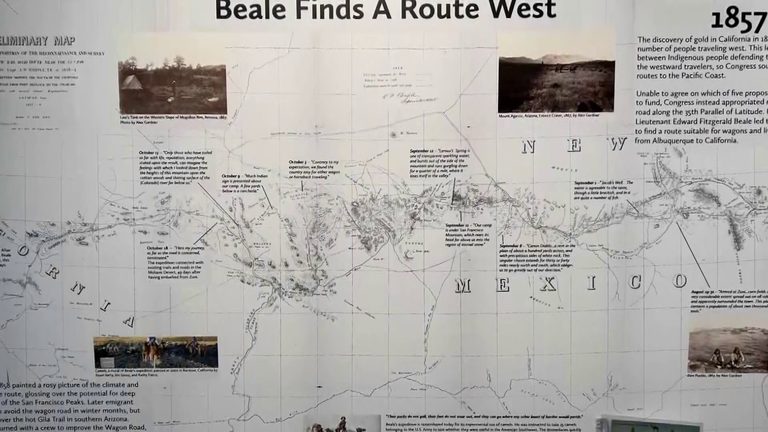
More than 150 years ago, pioneers followed routes carved by early explorers seeking a warmer, safer passage than the Oregon Trail. “The government sent out Beale to explore this area and find a route for wagons to cross the country down here that would be a little warmer than the Oregon Trail and maybe safer,” said Kristan Hutchison, exhibitions and publication manager at the museum.
Beale’s surveys later guided the construction of railroads, which in turn spurred the growth of towns like Flagstaff. When the federal highway system was established in 1926, Route 66 emerged as the only diagonal cross‑country road, quickly earning the nickname “Main Street of America.” Hutchison noted that contemporary newspapers celebrated the new highway as a unifying artery for the nation.
Preserving the past, inviting the present
The museum’s expanded exhibit, “Wagon Road to the Mother Road,” will remain open through the end of March. It features artifacts recovered from the Petrified Forest National Park, offering a tangible glimpse into the daily challenges faced by early travelers. “If you’re going to do this drive, you need to pack shovels, food, ice—anything to be ready to survive,” Hutchison explained.
Today, tourists from around the globe journey the historic route, stopping at small towns, diners, and roadside attractions that still echo the spirit of the original road. Hutchison emphasized the importance of these personal connections: “When you stop somewhere and communicate with people and see the lives in that particular place you’re connecting with something much deeper. It turns the journey into the main point of experience, not the destination.”
Why the centennial matters to Flagstaff
For Flagstaff residents, the celebration is more than a nostalgic look back; it reinforces the city’s role as a gateway to the Southwest’s cultural heritage. Local businesses benefit from the influx of travelers, and the museum’s exhibit provides educational opportunities for schools and families.
As the centennial festivities continue, the museum encourages visitors to explore the exhibit, learn about the road’s evolution, and appreciate the enduring legacy of Route 66—a symbol of American ingenuity, freedom, and the open road.
Original reporting: azfamily KTVK/KPHO Phoenix (news) — read the source article.