The Tampa City Council is set to fill the vacant District 7 seat, a decision that carries significant weight for the proposed $80 million Rays ballpark. The vacancy arose after former councilmember Luis Viera won a seat in the Florida House of Representatives, leaving the council split evenly on the stadium issue.
Appointment process and timeline
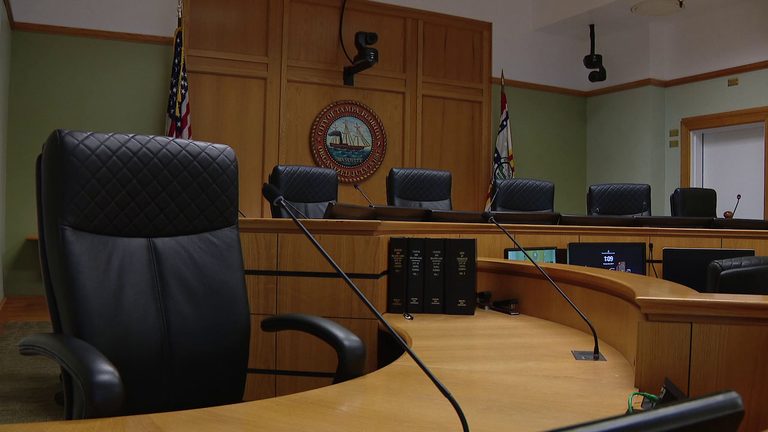
All 18 applicants will have their materials delivered to council members on Tuesday at 10 a.m. Each candidate will then deliver a two‑minute presentation during the council meeting scheduled for November 17. Following the remarks, council members will vote immediately. A candidate must secure at least four of the six votes on the board to be appointed.
The successful applicant will be sworn in on November 19 and will serve until voters decide the seat in the March election.
Stadium financing under review
Council members have already approved two key measures for the ballpark development: the issuance of bonds and the creation of a special taxing district. The bond package represents an $80 million commitment from the city, plus tens of millions of dollars in interest over time. The special taxing district, also known as a community development district, would provide a dedicated revenue stream to support the stadium’s construction and related infrastructure.
Both measures are slated for upcoming votes. If approved, the stadium could move forward, bringing a new sports venue to Tampa and potentially spurring additional economic activity in the surrounding area.
Council members weigh the issue
Councilmember Guido Maniscalco urged colleagues to evaluate candidates on the full range of municipal responsibilities, not solely on their stance toward the stadium. “I wouldn’t look at it as where this applicant is on that one issue,” Maniscalco said. “I want to see them as a whole, because that’s one of many issues. We have neighborhood issues, zoning issues, budget issues. Certainly we’re going to have budget issues again. Amendment 3 is huge in how we move forward as a city and the decisions that we make.”
Councilmember Charlie Miranda, who voted against the ballpark and the accompanying Community Benefits Agreement, echoed the call for broader qualifications. “Some individual with no knowledge of anything can say he’s for the stadium without knowing anything else. I would not be in favor of that person,” Miranda said. “Someone may come there that has a lot more fortitude to do with the city going forward, like how you’re going to fix your roads, where the money’s going to come from.”
Who is applying?
The applicant pool includes community organizer and former state House candidate Robin Lockett, former broadcast anchor Alan Cohn, declared March candidate Pat Alonzo, Hillsborough County Fire Rescue Division Chief Morris Lopez, and longtime La Gaceta journalist Gene Siudut, among others.
All candidates must demonstrate competence across the council’s varied agenda, from zoning and budgeting to public safety and infrastructure. Their ability to navigate the stadium financing debate will likely be a key factor, but council members have signaled that a well‑rounded record on municipal issues will be essential.
What’s at stake for Tampa?
The proposed ballpark is positioned as a catalyst for downtown revitalization, promising new jobs, increased tourism, and a modern venue for the Tampa Bay Rays. However, the financing plan also raises concerns about long‑term debt obligations and the impact of a special taxing district on local residents.
By appointing a councilmember who can balance fiscal responsibility with community development, Tampa hopes to move forward on the stadium while maintaining prudent stewardship of taxpayer dollars.
Original reporting: Tampa Bay Florida News (HLL/CB) — read the source article.