Albany officials announced Tuesday that the city will borrow $10 million through a short‑term Revenue Anticipation Note (RAN) to ensure city workers receive their paychecks on schedule. Treasurer Darius Shahinfar explained that the loan was necessary because the city no longer has the reserve balances it relied on in prior years.
Why the loan was needed
In his second‑quarter financial report, Shahinfar noted an annual cash‑flow gap that typically appears toward the end of the fiscal year. “In past years we had a fund balance to tide us over until January when property‑tax revenue comes in. In 2016 we didn’t have enough and we issued a RAN. This year, because we don’t have those balances left, we’re issuing a RAN,” he told CBS6.
The RAN is a three‑month instrument that will be repaid primarily from projected sales‑tax revenue expected to materialize in early 2027. City officials estimate issuance costs and interest at roughly $100,000.
Mayor’s response and state assistance
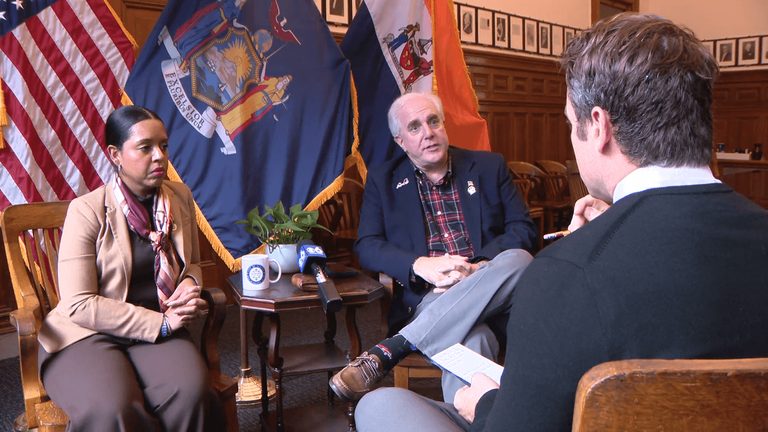
Mayor Dorcey Applyrs highlighted that state aid of $20 million earlier this year helped avoid a loan at the start of the budget cycle. When questioned about reports labeling Albany as “broke,” Applyrs called the phrasing a “poor choice of words” and emphasized the administration’s transparency.
“We’ve been working to speak directly with our constituents and our workforce. The fear‑mongering is not informed leadership,” Applyrs said. “We know this has caused concerns among our workforce, and we will get them paid. Our city has faced cash‑flow issues at this time of year before. Nothing new, and we’ve been very transparent this administration about the city’s financial challenges, and we’ve managed it, and will continue to manage it. Our residents and our workforce deserve well‑informed leadership, and this was a responsible thing to do to solicit the RAN. We want to make sure we can fulfill all of our obligations, and that’s exactly what this will allow us to do.”
Councilmember raises questions
Albany Common Councilmember Deirdre Brodie (6th Ward) expressed concern over the timing and communication of the loan. She cited Shahinfar’s Q2 report, which indicated that with proper cash management the city could have avoided market borrowing for 2026. “To have that quick of an about‑face in literally six weeks was pretty shocking,” Brodie told CBS6’s Tom Eschen.
Brodie’s comments reflect a broader desire among some council members for clearer forecasting and earlier disclosure of cash‑flow risks.
Looking ahead
The city’s short‑term borrowing plan is intended to bridge the gap until sales‑tax collections increase in 2027. Officials say the loan will not add to long‑term debt, and the $100,000 cost is viewed as a prudent expense to maintain payroll continuity.
City leaders will continue monitoring cash‑flow projections and will provide updates to residents as the repayment timeline progresses.
Original reporting: CBS 6 WRGB Albany (local) — read the source article.