Albany, N.Y. – The New York State Assembly spent four hours hearing testimony on how to regulate automatic license plate readers (ALPRs) for the 2025‑26 session. Lawmakers focused on oversight measures rather than an outright ban, debating who may access the data, permissible uses, and storage limits.
Attorney General Calls for “Gold Standard” Legislation
Tyler Nims, chief of the Attorney General’s Office Law Enforcement Misconduct Investigative Office, urged the legislature to set a “gold standard” for ALPR use. He warned that without strong safeguards, the technology could be misused to track illegal immigrants, lawful protesters, or individuals seeking pediatric gender treatments.
Law‑Enforcement Perspectives
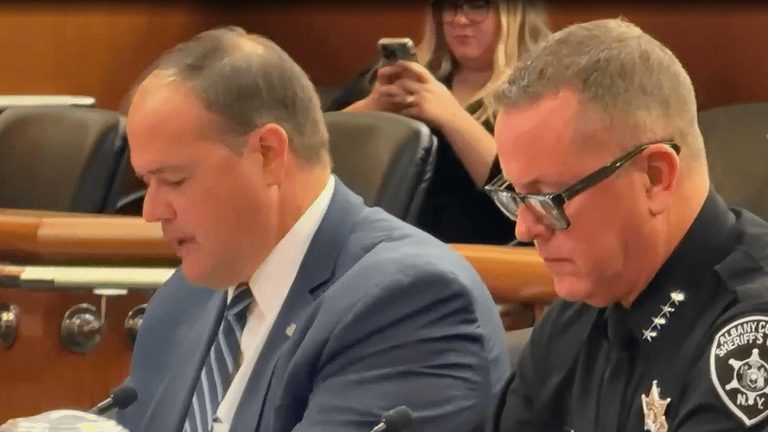
Sheriff Craig Apple, president of the New York State Sheriffs’ Association, described Albany County’s experience with ALPRs since 2009. After a senior investigator accessed an ex‑girlfriend’s vehicle records more than 4,000 times, the county tightened its policies. Apple said the agency now limits direct system access to supervisors, requires every search to be tied to a documented case number, and conducts more frequent audits. He argued these safeguards, not a ban, should guide any new legislation.
Raymond Tierney, president of the New York State District Attorneys Association and Suffolk County district attorney, supported legislation that would block the distribution of ALPR data to federal or third‑party entities. He cautioned against a 30‑day data‑retention limit, saying it would hamper cold‑case investigations. Tierney suggested a model that restricts routine access while preserving data for later use under a court‑approved predication.
Community Input
Community groups also testified. The Columbia County Sanctuary Movement, represented by Michael Chameides, urged agencies seeking grant funding for ALPR cameras to submit public‑safety plans and demonstrate that the technology enhances community safety.
Protesters gathered outside the hearing room, holding signs that warned of potential privacy violations. Their presence underscored the bipartisan interest in the issue, with Assembly members from both parties noting constituent concerns.
Legislative Context
Committee chairs clarified that the hearing did not focus on any of the three specific bills currently pending that target ALPRs. Instead, the discussion centered on broader policy considerations, signaling that any future legislation will likely incorporate input from law‑enforcement leaders, prosecutors, and community advocates.
The New York State Assembly is expected to consider these oversight proposals in the coming months, aiming to balance public‑safety benefits with robust privacy protections.
Original reporting: CBS 6 WRGB Albany (local) — read the source article.