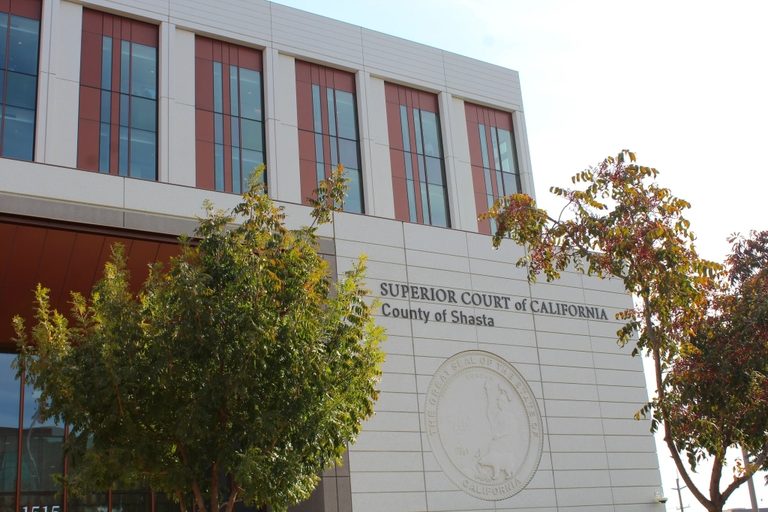
Shasta County residents saw a major development this morning when Superior Court Judge Benjamin Hanna declared Measure B unconstitutional, ending the short‑lived attempt to impose a new voter‑ID regime on the county’s elections.
Background and legal challenge
Measure B was placed on the June primary ballot after proponents campaigned it as a voter‑ID law intended to safeguard election integrity. The measure also contained several additional provisions that would have altered how Shasta conducts its elections, many of which conflict with existing California statutes.
Within ten days of the June vote, the California Attorney General’s Office and the Secretary of State filed a lawsuit to halt implementation, arguing the measure was “legally indefensible.” Attorney General Rob Bonta’s office maintained that the initiative violated state law and threatened the rights of California voters.
Judge Hanna’s ruling
Judge Hanna had previously issued a temporary suspension of Measure B in August, preventing it from taking effect during the November election while the case proceeded. After a brief hearing lasting roughly thirty minutes, he issued a final ruling this morning, finding the measure “wholly contrary to existing state law.” He emphasized that Shasta County’s status as a charter county does not grant it the authority to enact legislation that conflicts with state statutes.
During the hearing, attorney Alexander Haberbush, representing the measure’s proponents, argued for roughly fifteen minutes, citing comparable cases such as Huntington Beach’s voter‑ID law, which was also struck down after state‑level legal action. Deputy Attorney General Liam O’Connor, appearing for the state, offered a concise rebuttal. When Haberbush sought to respond, Judge Hanna denied the request and proceeded to issue his decision.
Reactions
Haberbush, in an emailed comment, said the proponents are “reviewing every option, including an appeal,” and warned that the ruling sends a message to charter counties that they “have no say over how their own elections are run.” He noted that about 56% of voters had approved the measure in the June primary.
Shasta County Counsel Joseph Larmour, who attended the hearing, remained neutral, reflecting the county supervisors’ direction to stay out of the legal debate.
Implications for voters
The decision restores the status quo for Shasta County elections, ensuring that the existing state‑mandated voter‑ID requirements remain in place without the additional restrictions proposed by Measure B. Advocates for voting access argue that the ruling protects the right of all eligible Californians to cast ballots without undue burdens, while supporters of the measure contend that it would have strengthened election security.
The case underscores the ongoing tension between local initiatives aimed at tightening election procedures and the broader state framework designed to guarantee uniform voting standards across California.
Next steps
Proponents of Measure B have indicated they may pursue an appeal, though no timeline has been announced. The county’s election officials will continue to administer elections under current state law, and the matter will likely remain a point of discussion among local voters and state officials alike.
Original reporting: Shasta Scout (Redding) — read the source article.