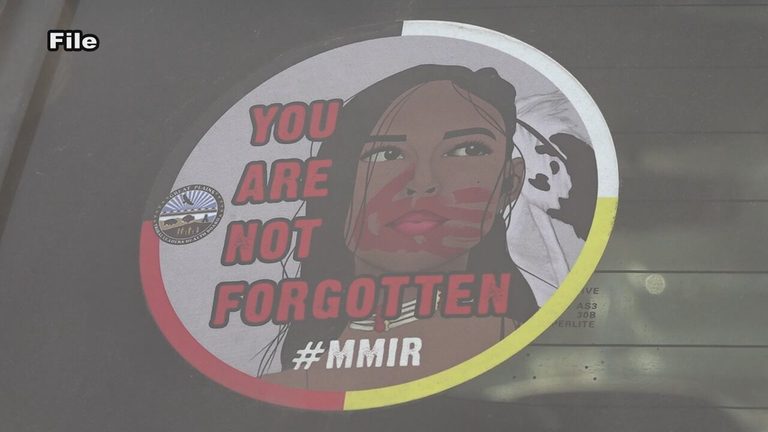
Rapid City, SD – In a move aimed at strengthening the state’s response to the growing crisis of missing and murdered Indigenous people, Attorney General Marty Jackley announced the appointment of Marlys Big Eagle as South Dakota’s Missing and Murdered Indigenous Persons (MMIP) Specialist.
Why the appointment matters
Big Eagle, a longtime advocate for Indigenous families, said the problem extends far beyond tribal lands and demands attention from every community. “It doesn’t just affect tribal communities. It’s a public‑safety issue that affects all of us in one way or another,” she told reporters.
She added a personal dimension to the role, noting that friends of hers have been victims of disappearance or homicide. “And it is personal for me. I do have friends that are missing or who have been murdered. I really truly have the heart for this,” Big Eagle said. “I want to do all I can to make sure these families are treated with dignity, with respect, and honor the culture of Indigenous people.”
Attorney General’s perspective
Attorney General Jackley highlighted the need for a dedicated specialist to coordinate law‑enforcement efforts, tribal partnerships, and community outreach. He noted that the appointment aligns with the administration’s broader public‑safety agenda and reflects a commitment to protecting vulnerable populations across the state.
“We are taking decisive steps to ensure that every missing or murdered Indigenous person receives the attention and resources they deserve,” Jackley said. “Marlys brings the experience, compassion, and cultural insight needed to move this effort forward.”
Broader context
The MMIP crisis has drawn national attention, with Indigenous advocacy groups urging federal and state governments to improve data collection, investigative protocols, and support services for families. South Dakota’s new specialist will work closely with tribal law‑enforcement agencies, the state police, and community organizations to develop a coordinated response.
Big Eagle’s appointment follows similar initiatives in other states, where dedicated MMIP coordinators have helped increase case resolution rates and raise public awareness. While the challenge remains significant, officials hope that focused leadership will lead to measurable improvements in case tracking and family support.
What’s next
In the coming weeks, Big Eagle will convene a task force of tribal leaders, law‑enforcement officials, and victim‑advocacy groups to assess current gaps and recommend policy changes. The task force is expected to produce a report outlining actionable steps for the state legislature and executive branch.
Community members are encouraged to share information that could aid investigations and to participate in upcoming public‑education forums hosted by the Attorney General’s office.
For more details on the MMIP initiative or to get involved, residents can contact the Attorney General’s office or visit the official state website.
Original reporting: KOTA (Gray) – local — read the source article.