Chicago residents showed strong support for gunshot detection technology in a recent nonbinding referendum, with more than 72 percent voting in favor of restarting the program. Mayor Brandon Johnson seized the moment to reaffirm his long‑standing endorsement of the technology, emphasizing that his earlier decision to end the ShotSpotter contract was based on performance data, not opposition to innovation.
Voter backing and mayoral response
Tuesday’s ballot question asked whether the city should resume using gunshot detection systems that listen for suspected gunfire and alert first responders to the exact location. Although the measure does not compel the city to re‑adopt ShotSpotter or any specific vendor, the clear voter preference has prompted the mayor’s office to move forward with a structured pilot.
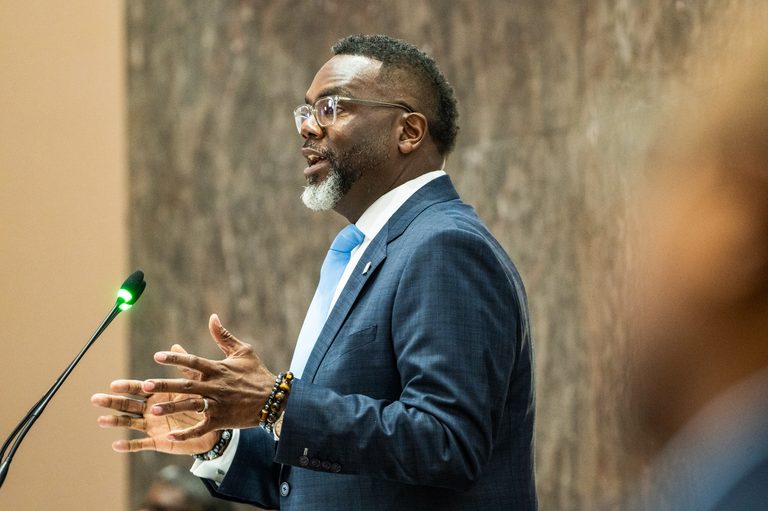
“My position has always been in favor of gunshot detection. I’ve never been opposed to technology,” Johnson told reporters. “We created a more open and transparent process to find the right technology.” He added that any replacement must protect residents’ privacy and demonstrate measurable results before a long‑term contract is signed.
Why ShotSpotter was discontinued
Johnson terminated the city’s ShotSpotter contract in 2024 after reports from the Cook County State’s Attorney’s Office and Chicago’s Office of Inspector General concluded the system did not make neighborhoods safer or improve prosecutors’ ability to bring cases. “Both cases indicated that it did not do what it said it was designed to do,” the mayor said.
Critics of the original program argued that ShotSpotter helped police respond more quickly, especially in areas where residents might be reluctant to call 911. The mayor acknowledged those concerns but stressed that effectiveness must be proven through data, not assumptions.
New pilot program details
The city is launching a six‑month pilot that will test a range of violence‑interruption and public‑safety technologies, including several gunshot detection options, in six South and West Side police districts: Wentworth (2nd), Calumet (5th), Englewood (7th), Deering (9th), Ogden (10th) and Harrison (11th). Officials have not yet disclosed which companies or specific systems will be evaluated.
Separately, a pilot using technology from ZeroEyes has been operating for about a year. Johnson said the city will assess its performance before deciding on any expansion.
Looking ahead
Mayor Johnson emphasized that the city’s approach will be data‑driven. “I just believe that the people of Chicago deserve to have technology that’s actually effective so that they can feel the benefits of reduced violence,” he said.
The mayor’s office expects to release findings from the pilot later this year, which will inform any future procurement decisions. Community leaders and public‑safety advocates are watching closely, hoping the new tools will deliver the promised improvements without infringing on privacy.
Community reaction
Local residents expressed optimism that the renewed focus on technology could help curb gun violence in neighborhoods that have long struggled with safety concerns. At the same time, some advocacy groups urged the city to maintain transparency and ensure that any system deployed respects civil liberties.
As Chicago moves forward with its evaluation, the mayor’s commitment to an open, evidence‑based process reflects a broader city‑wide effort to balance public safety with individual rights.
Original reporting: Block Club Chicago — read the source article.