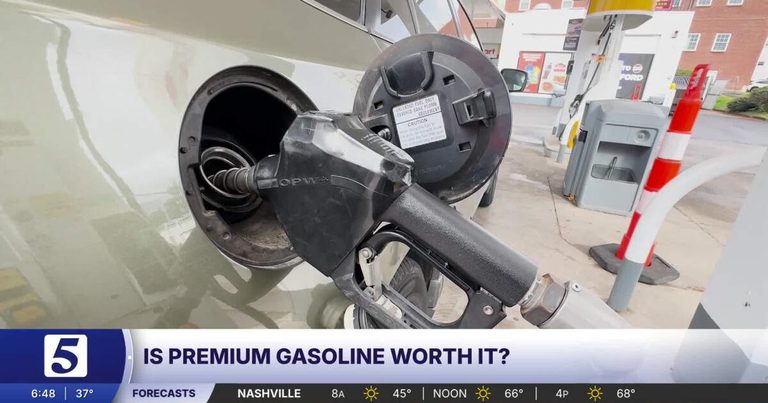
When families watch the price at the pump, every cent matters. A recent Consumer Reports study put the long‑standing claim that premium gasoline improves performance to the test, and the results are clear: for the majority of vehicles, regular 87‑octane fuel works just as well.
What the test measured
Consumer Reports selected two popular sport‑utility vehicles that recommend, but do not require, premium fuel. Test drivers ran the SUVs on a controlled track, measuring acceleration, fuel consumption and engine sound while using both 87‑octane regular gasoline and 93‑octane premium gasoline.
Findings
The data showed no measurable difference in acceleration or miles‑per‑gallon between the two fuel types. Drivers reported that the cars felt and sounded identical regardless of which gasoline was used. In short, if a vehicle’s owner’s manual does not mandate premium fuel, regular gasoline provides the same performance and saves the driver roughly 50‑70 cents per gallon.
Why premium costs more
Premium gasoline undergoes additional processing to raise its octane rating, a step that adds cost at the refinery and at the pump. While high‑performance engines and some luxury models truly need the higher octane to avoid knocking, most everyday cars – including many SUVs, sedans and trucks – are designed to run safely on regular fuel.
When premium is required
Some manufacturers explicitly state that using premium fuel is a warranty condition. In those cases, owners should follow the manual to avoid voiding coverage. For the vast majority of drivers whose vehicles merely recommend premium, the recommendation is a suggestion, not a requirement.
Top‑Tier gasoline: an optional upgrade
Consumer Reports also highlighted a separate category of fuel known as Top‑Tier gasoline, offered by stations such as Chevron, Costco, Exxon, Mobil and Shell. This fuel contains higher levels of detergents that help prevent carbon buildup, potentially extending engine life. While Top‑Tier gasoline is more expensive than regular, it may be a worthwhile consideration for drivers who want extra engine protection without the full cost of premium.
Practical advice for families
For households looking to stretch their budgets, the study reinforces a simple rule: check the owner’s manual. If premium is not required, stick with regular gasoline. The savings add up quickly, especially for drivers who fill up weekly. Choosing regular fuel also aligns with prudent stewardship of family resources, a principle many faith‑based families hold dear.
Bottom line
Unless your vehicle’s manual specifically calls for premium, there is no performance or fuel‑economy advantage to paying extra at the pump. Regular gasoline will keep your car running smoothly, protect your wallet, and let you allocate those saved dollars toward other family priorities.
Original reporting: NewsChannel 5 WTVF (Scripps) – local — read the source article.