Maria Guadalupe Rodriguez, 55, and her brother Rosalio Carmona, 52, are working to grow their Mexican restaurant, El Sombrero Taqueria, from its original 2022 location at 1 Kelley Square in Worcester to a second spot in the Solomon Pond Mall and a possible third on Park Avenue.
Local ambition meets financing hurdles
Both siblings say they “don’t want to stay small” and are exploring new revenue streams, including pop‑up events for local employers and a take‑out concept called Snackeria that employs Rodriguez’s children and nieces. Yet rising food costs are squeezing margins, and the owners expect to raise prices.
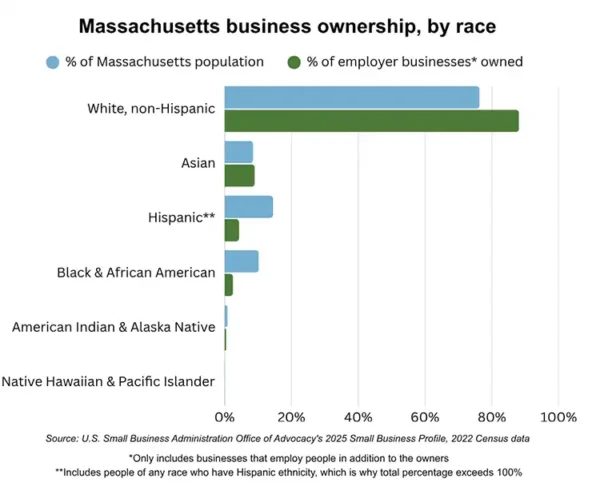
Starting or expanding a business in Worcester County often requires capital that many entrepreneurs lack. Less than 1 percent of employer businesses in the county are owned by Black or Hispanic people, according to Worcester County Insights, a data initiative from the Greater Worcester Community Foundation and the Worcester Regional Research Bureau. Those figures exclude sole proprietors and businesses without paid employees, which means many small, minority‑owned enterprises are left out of the statistics.
Financing without collateral
Rodriguez and Carmona have felt the pinch firsthand. Their earlier Worcester restaurant closed during the Great Recession, and when they launched El Sombrero in 2022, financing came from a brother working in Mexico’s petroleum industry rather than a bank. Rodriguez declined to risk the four‑bedroom Shrewsbury home she and her husband bought in 2005, and Carmona has no property to leverage.
Carmona also hopes to purchase a modest mobile home in Worcester, but the cost of new condominiums and rising interest rates make homeownership a challenge. Black and Hispanic homeownership rates in Greater Worcester stand at 33 percent, compared with 71 percent among White residents, according to the same Worcester County Insights data.
Federal guidance shift under President Trump
Banking executive Darryl Caffee, senior vice president of home lending at Webster Five Bank, says the recent change in federal guidance has altered how lenders can help prospective homeowners. In 2022, regulators under the previous administration issued guidance allowing lenders to create special programs to encourage homeownership among people of color without violating the Equal Credit Opportunity Act.
The Trump administration rescinded that guidance in August, stating the 2022 interpretation could not be reconciled with existing fair‑housing and credit‑opportunity laws. As a result, Webster Five now emphasizes income‑based eligibility criteria and works with programs from the Massachusetts Housing Partnership and Fannie Mae to offer options beyond conventional mortgages.
Local success stories illustrate possibilities
Alexander Hayden, a 26‑year‑old Worcester Housing Authority construction project manager, used Webster Five’s first‑time‑homebuyer incentives and his mother’s Shrewsbury multifamily property to purchase a small Cape‑style home he plans to convert into a multi‑unit rental. “I want to say I tried something, and if it fails, it fails,” Hayden said, highlighting how family assets and targeted lending programs can open doors for aspiring entrepreneurs.
Broader financing landscape
A March 2025 Federal Reserve report found that 75 percent of small‑bank loan applicants received at least some funding in 2023, compared with 66 percent at large banks. However, denial rates remain higher for minority‑owned businesses: 18 percent of White‑owned firms were denied financing, versus 39 percent of Black‑owned and 29 percent of Hispanic‑owned firms, based on a 2024 nationwide survey of small employer firms.
Webster Five’s vice president of commercial lending, Monica Thomas‑Bonnick, a Black woman with decades of industry experience, says the data points to institutional bias. “People who look like me are not in the vast majority of those who own businesses,” she said, urging lenders to provide technical assistance and clearer guidance on loan requirements.
What it means for Worcester entrepreneurs
For Rodriguez, Carmona, and other local business owners, the combination of higher operating costs, limited collateral, and shifting federal guidance creates a tough environment. Yet the story of Hayden shows that with income‑based programs, family support, and a willing lender, growth is still possible.
Community leaders and policymakers are urged to consider how state and local initiatives can complement federal efforts, ensuring that Worcester’s diverse entrepreneurs have the tools they need to thrive and create jobs for the city’s families.
Original reporting: This Week in Worcester — read the source article.