CHARLESTON, W.Va. – As the holiday season approaches, the West Virginia Division of Natural Resources (DNR) is once again launching its Hunters Helping the Hungry program, a community‑focused effort that turns the bounty of the hunting season into meals for families struggling with food insecurity.
How the program works
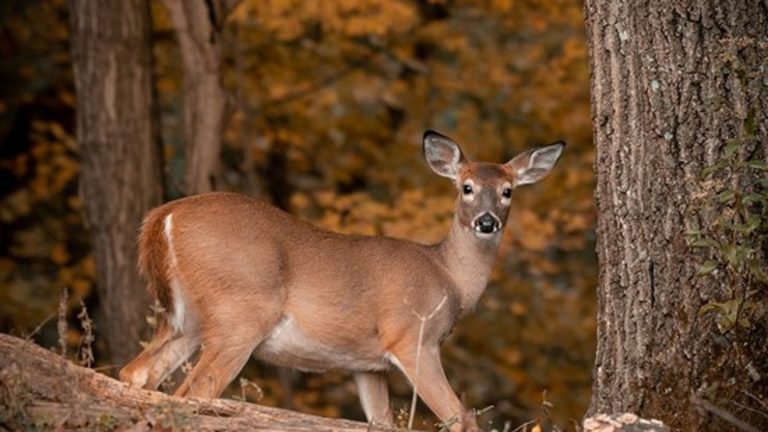
Hunters who successfully harvest a deer can transport the animal to any of the DNR‑approved meat processing facilities participating in the program. These processors will grind, package and label the venison at no cost to the hunter. Once processed, the meat is shipped at no charge to two state food‑bank partners: Huntington’s Facing Hunger Foodbank and Gassaway’s Mountaineer Foodbank.
Impact to date
Since its inception in 1992, the program has supplied more than 1 million pounds of venison to West Virginians in need. In the most recent year, over 500 donations were recorded, providing thousands of meals across the state. The DNR notes that each pound of venious donated can be turned into multiple servings, stretching limited resources during a time when many families face heightened expenses.
Calling for more processors
To expand the reach of the initiative, the DNR is actively seeking additional certified meat processors to join the effort. Participating facilities receive a reimbursement of $3 per pound of venison they process for the program, helping offset operational costs while supporting a vital charitable mission. Interested businesses can contact program coordinator Mark Biller at [email protected] or call 304‑924‑6211 for details.
Why it matters for families and communities
Food banks across West Virginia have reported that protein‑rich donations such as venison are especially valuable. Many families rely on these supplies to provide balanced meals for children and seniors during the winter months. By converting a hunter’s harvest into free, nutritious food, the program reinforces the state’s tradition of self‑reliance, stewardship of natural resources, and neighborly generosity.
How hunters can get involved
Hunters interested in participating should first ensure they are hunting legally and ethically, adhering to all state hunting regulations. After a successful hunt, they can contact a certified processor listed on the DNR website, arrange transport of the deer, and complete the necessary paperwork to certify the donation. The DNR emphasizes that the process is straightforward and designed to minimize extra effort for the hunter.
Looking ahead
The DNR hopes that the program will continue to grow, reaching more rural and urban communities alike. With the ongoing support of hunters, processors, and food‑bank volunteers, the initiative aims to keep West Virginians fed, healthy, and hopeful throughout the holiday season and beyond.
For more information on West Virginia hunting regulations and a list of participating processors, visit the DNR’s official website.
Original reporting: WCHS Eyewitness News Charleston (local) — read the source article.