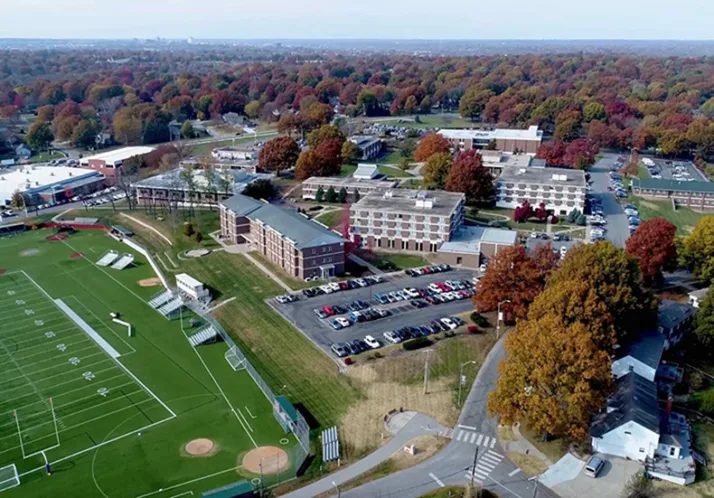
Kansas City, Mo. – Ten international students enrolled in Avila University’s Master’s in Kinesiology program are now facing a severe immigration setback after the university disclosed a paperwork error that removed the program’s STEM designation.
Students’ plans upended
Kwesi, a Ghanaian student who works as a rehabilitation technician in Overland Park, was on track to graduate in December and then apply for a three‑year work extension under the STEM‑related Optional Practical Training (OPT) program. The university’s advertising had led him to believe the degree qualified for that extension. In September, Avila informed Kwasi and nine other students that the program was not, in fact, STEM‑designated.
“If you found out during spring, why not say anything?” Kwesi asked, noting that the university had known about the error months earlier but only notified students in the fall.
Federal policy change compounds the problem
Compounding the university’s mistake, a recent change to federal immigration policy now bars international students from working while they study unless they hold a qualifying STEM designation. The students therefore cannot earn income while completing their degrees and must rely on personal savings.
Emily, another student from Nepal, discovered the issue when she checked her paperwork in August. She learned that the earlier STEM designation had been a mistake and that she would lose the two‑year post‑graduation extension. The university’s provost, Laura Hartley, confirmed that an internal audit revealed the program had never been properly reported to the Department of Homeland Security’s Student and Exchange Visitor Program (SEVP).
University response and limited options
Avila’s email to the Post acknowledged that the discrepancy was identified during a spring 2026 internal review and resurfaced in late August after student inquiries. The university says it has advocated for the students with SEVP but has no flexibility to make exceptions.
Hartley outlined two remedial options: remain in the kinesiology program and receive a $5,000 credit toward tuition, or transfer to another Avila graduate program that holds a STEM designation, also with a financial credit. The kinesiology program costs $650 per credit hour, with 31 credits required for graduation – a total exceeding $20,000.
Emily said switching programs would extend her time in school and increase her debt, jeopardizing her plan to repay her parents’ loans. “They definitely know that we don’t have anyone here. We have no family, no emotional support, no financial support,” she said.
Impact on students’ futures
Without the STEM designation, the affected students can only apply for up to 12 months of post‑graduation OPT, far short of the three‑year period they had counted on to gain U.S. work experience and prepare for physical‑therapy licensure.
John, an Indian student who transferred to Avila after confirming the program’s STEM status, now faces the same uncertainty. He is set to graduate in May and worries that the loss of the extension will limit his ability to work and support his family back home.
University says it is working toward solutions
Avila University states it is continuing to work with the impacted students to find the “best route forward.” The institution has not yet provided a timeline for resolving the issue or for any potential appeals to SEVP.
International students on F‑1 visas rely on the STEM‑designated OPT extension to stay legally in the United States while gaining practical experience. The loss of that pathway not only threatens their immigration status but also undermines the university’s reputation as a reliable destination for global scholars.
Students and advocates are urging Avila to expedite a resolution and to ensure that future program designations are accurately reported to federal authorities.
Original reporting: Johnson County Post (Overland Park) — read the source article.