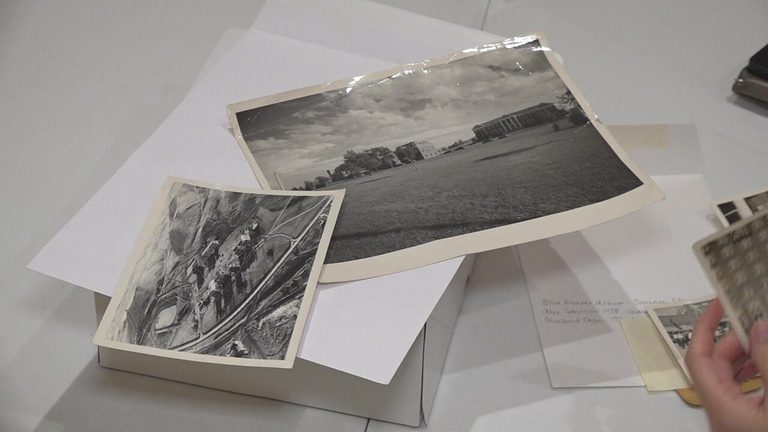
Rapid City marked its 150th anniversary with a community‑focused event that turned family photo albums into a digital archive. On Sunday, The Journey Museum hosted a photo‑scanning day organized by the Rapid City Historic Preservation Commission and the museum. Residents brought images at least fifty years old that depict homes, storefronts, signage and landscapes that have shaped the city’s character.
Scanning day brings history to life
Jennifer Bergstrom, a special projects planner for the city, explained that the event was designed to celebrate the milestone anniversary while preserving the visual record of Rapid City’s growth. “Each of these special places tells a part of Rapid City’s story,” Bergstrom said. “This is an opportunity for us to share these snapshots for future generations so that they can know and enjoy them as well.”
Volunteers set up scanning stations in the museum’s community space, carefully digitizing each photograph and then returning the originals to their owners. The images will be added to The Journey Museum’s digital collection and linked to an interactive story map that ties each photo to its original location.
Story map to be available online
The interactive map will be hosted in the mapping area of the city’s official website, allowing anyone to explore historic scenes alongside modern views of the same sites. Bergstrom noted that the tool will serve educators, researchers and curious residents who want to see how neighborhoods, parks and downtown streets have evolved.
One participant, longtime resident Linda Clarke, shared a photograph of Baken Park that appears to date from the 1940s. The picture was originally part of her late father‑in‑law Eldon Clarke’s collection. “It’s just nice to remember how things were and see how we have grown,” Clarke said.
Funding and future participation
The project is funded with federal money from the National Park Service, administered through the South Dakota Historic Preservation Office. Bergstrom encouraged anyone who still has historic photographs to contact the city’s Community Development Department to arrange scanning and return of their images.
By turning personal memories into a publicly accessible digital resource, Rapid City is reinforcing its commitment to preserving the past while embracing modern technology. The story map will not only honor the city’s heritage but also provide a foundation for future preservation efforts as Rapid City continues to develop.
Original reporting: KOTA (Gray) – local — read the source article.