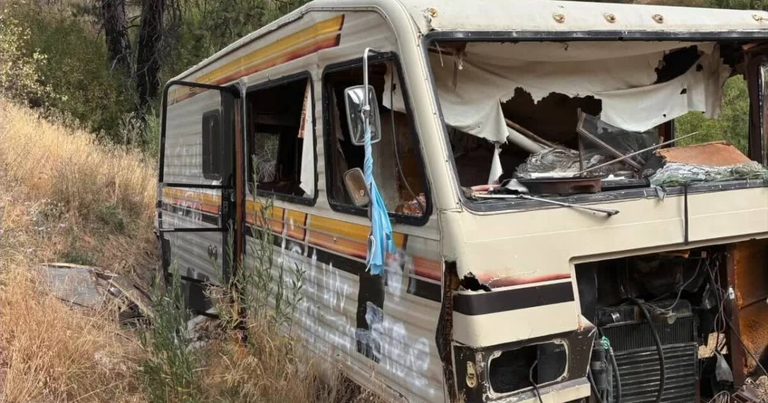
Idaho’s Boise National Forest is confronting a growing eyesore and safety risk: abandoned recreational vehicles (RVs). While the forest offers a treasured backdrop for families, hunters and outdoor enthusiasts, dozens of derelict RVs have been left scattered across its trails, posing environmental hazards and costly removal challenges.
Volunteer effort steps in
Mike Long, founder of the nonprofit 208 Cleanup, has organized volunteers to address the problem. In the past year his team cleared tens of thousands of pounds of trash from the forest, but the RVs present a whole new level of difficulty. “Some are clearly dumped,” Long said, recalling instances where owners simply abandoned the units. “Others are being used as temporary shelters by low‑income and homeless individuals trying to survive.”
Why removal is complex
Forest Service law‑enforcement officials explain that an abandoned RV cannot be hauled away without a formal condemnation process. “We have to ensure the vehicle is properly identified and any hazardous materials are handled safely,” said Mike Williamson, public information officer for the Boise National Forest. Inside many of the units, crews have found batteries, refrigerant, tires, sewage and even asbestos, all of which drive up the cost of removal.
Williamson noted that the Forest Service estimates each RV can cost “thousands of dollars” to extract, and the agency recorded about 36 such incidents in the past twelve months. When multiplied across the forest’s expansive acreage, the expense quickly becomes a burden on taxpayers.
Community partnerships aim to prevent future dumps
Long is seeking to partner with RV dealerships and manufacturers to create a proactive exit strategy for owners who can no longer maintain their vehicles. “If you have an old RV and care about public lands, don’t sell it to someone who can’t afford to care for it. Take it to a proper landfill instead,” he urged.
By engaging local businesses, the 208 Cleanup team hopes to secure the specialized hauling equipment needed for safe removal and to educate the public on responsible disposal. The organization’s volunteers continue to patrol popular trailheads, reporting abandoned units to Forest Service rangers and assisting with clean‑up when possible.
What residents can do
Community members are encouraged to support the effort by donating time, equipment or funds. “We’re looking for more hands and resources to keep our public lands beautiful and safe,” Long said. Residents can also report illegal dumping to the Boise National Forest’s law‑enforcement hotline, helping officials prioritize removal and reduce the environmental impact.
The collaboration between volunteers, local businesses and federal land managers exemplifies a faith‑based, family‑focused approach to stewardship—protecting the natural heritage that families across Idaho cherish.
Original reporting: KIVI Idaho News 6 Boise metro (local) — read the source article.