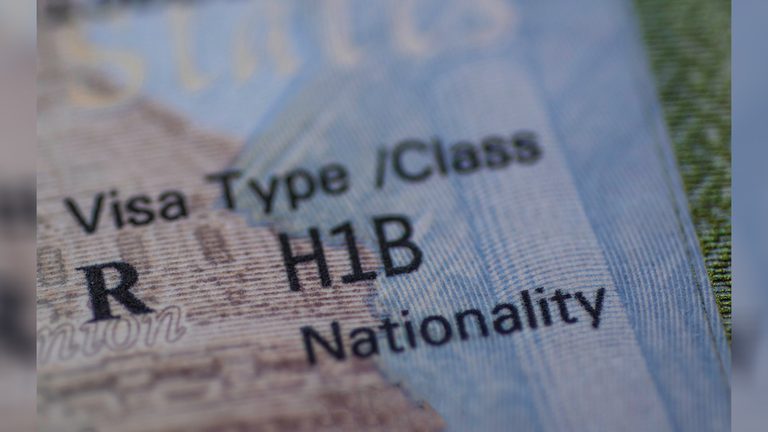
The Department of Homeland Security released a proposal on September 11 that would end the discretionary 60‑day grace period currently allowed for H‑1B, H‑1B1, E‑3 and other employment‑based visa holders after a job ends. Under the existing rule, workers can remain in status for up to 60 days while they seek a new employer, giving Texas businesses a short window to sponsor a replacement without losing the employee’s legal status.
What the proposal changes
According to the proposal, affected workers would lose their employment‑based status the day their job ends unless they have another lawful basis to stay. They would generally have to depart the United States immediately. The rule would still permit a new petition to be filed for a new employer, but the new employer would need to act faster because there would be no grace period to bridge the gap.
The agency argues the change would “reduce administrative burdens” by removing case‑by‑case reviews of grace‑period extensions. DHS estimates that about 3,795 workers per year currently benefit from the grace period, based on records that include both layoffs and resignations.
Impact on Texas businesses
Texas ranks second nationwide in H‑1B activity, with 109,130 positions on certified labor condition applications for H‑1B, H‑1B1 and E‑3 workers in the first nine months of fiscal 2026, according to the U.S. Department of Labor. The proposed rule could affect a broad range of Texas employers, from large tech firms to smaller consulting companies that rely on skilled foreign workers.
Employers would need to file new petitions more quickly, and the Labor Department’s review of labor condition applications can take up to seven working days. This could create staffing gaps, especially for companies that use paid notice periods or furloughs, which can make it difficult to determine the exact end date of a job.
Legal and compliance background
Federal law already requires H‑1B sponsors to pay the higher of the local prevailing wage or the wage paid to comparable U.S. employees. H‑1B‑dependent employers and those found to have willfully violated program rules must recruit U.S. workers and offer the job to any equally or better‑qualified U.S. applicant before hiring a non‑exempt H‑1B worker. They also face a ban on displacing U.S. workers from essentially equivalent jobs within 90 days before or after filing the petition.
In July, Texas consulting firm Creative Team LLC agreed to pay a $4,730 civil penalty after the Justice Department found the company restricted a job advertisement to H‑1B visa holders without legal justification. The settlement required recruiter training and a review of hiring policies, underscoring the importance of compliance with existing rules.
Public comment period
The public comment period for the proposal closes on November 10 at 11 p.m. Central Time via Regulations.gov (docket USCIS‑2026‑0364). Texas stakeholders, including employers, labor advocates, and immigration attorneys, are encouraged to submit feedback.
Houston immigration attorney Emily Neumann warned that the proposal could complicate paid notice periods and furloughs, making it harder for both employers and workers to determine when a job officially ends. She emphasized that the loss of the grace period could increase the risk of unintentional status violations for foreign workers.
What Texas workers can do
Texans who encounter discriminatory job ads that limit postings to visa holders can report the issue to the Justice Department. The Labor Department also investigates suspected H‑1B wage and displacement violations through its Project Firewall initiative.
A separate executive order issued on September 18 directs federal agencies reviewing H‑1B filings to consider whether employers laid off similarly situated U.S. workers in the previous year or plan to do so, adding another layer of scrutiny to the hiring process.
Looking ahead
While DHS has not provided an estimate of how many Texas jobs might be gained or lost under the new rule, the agency acknowledges potential lost pay, temporary productivity losses, and increased travel costs for employers who must bring workers back to the United States under existing H‑1B and O‑1 rules.
Stakeholders will be watching the comment period closely, as the outcome could shape Texas’s ability to attract and retain skilled foreign talent while balancing the need to protect U.S. workers.
Original reporting: The Dallas Express — read the source article.