With the first frosts of the season on the way, fire officials in Fort Wayne and throughout Indiana are reminding residents to take practical steps that keep homes safe and families protected. The advice focuses on furnace maintenance, responsible use of portable heaters, and the importance of working carbon monoxide detectors.
Annual furnace inspection saves money and lives
When a furnace fires up after months of inactivity, a burning smell is common. The odor usually comes from dust that has settled on heating elements and burns off as the system starts. While the smell is harmless, fire officials stress that a professional inspection and service each year is the best way to ensure the furnace runs efficiently and safely.
During a service visit, technicians clean internal components, check for gas leaks, and verify proper ventilation. A well‑maintained furnace not only reduces the risk of fire but also lowers energy costs by operating more efficiently.
Keep filters clean and replace them regularly
Homeowners should inspect furnace filters monthly. A dirty filter forces the system to work harder, increasing wear on the equipment and raising the chance of overheating. Replacing a clogged filter with a clean one helps the furnace run smoothly and extends its lifespan.
Use space heaters wisely
While a functional furnace should provide sufficient heat, some families turn to portable space heaters when the main system falters. Fire officials warn that space heaters are a fire hazard if not used correctly. Keep them at least three feet away from furniture, curtains, blankets, and any other combustible material. Never leave a heater unattended, and always turn it off before leaving the room or going to sleep.
Storage boxes, paper, and other flammable items should also be kept clear of both space heaters and the furnace itself.
Carbon monoxide detection is essential
Carbon monoxide (CO) is a colorless, odorless gas that can be produced by malfunctioning fuel‑burning appliances such as furnaces, water heaters, and stoves. Because CO is impossible to detect without a device, fire officials recommend installing working carbon monoxide detectors in every sleeping area and on each level of the home.
Test detectors monthly and replace batteries as needed. Smoke alarms should be tested at the same time to ensure they are ready to alert occupants in the event of a fire.
Fireplace safety before the first fire
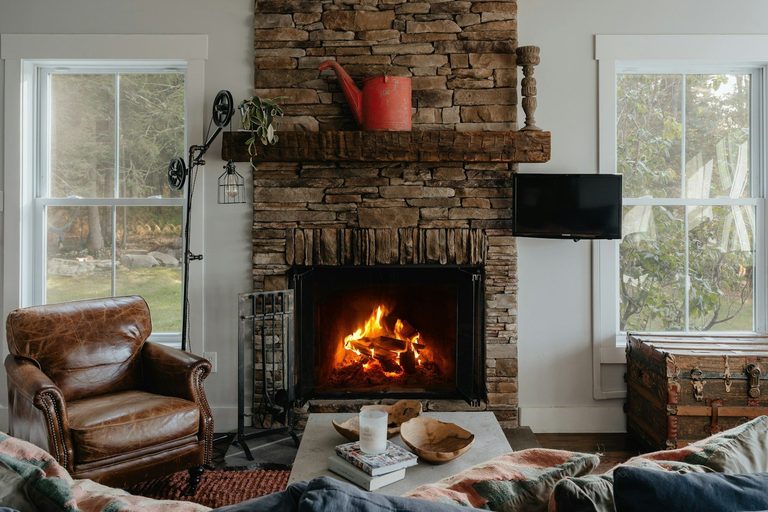
Homeowners who enjoy a traditional fireplace should have the chimney inspected and cleaned before lighting the first fire of the season. Creosote buildup, cracks, or blockages can lead to dangerous chimney fires.
Always use a screen to catch sparks and embers, and allow ashes to cool completely before placing them in a metal container stored outside, away from the house.
Burn only clean, dry firewood
Using leaves, yard waste, or household trash as fuel creates hazardous smoke and may violate local ordinances. Fire officials advise burning seasoned, dry firewood to reduce smoke and improve combustion efficiency.
Rules for outdoor recreational fires and yard‑waste disposal vary by municipality, so residents should check city or county regulations before lighting any fire outdoors.
Protecting families this winter
These straightforward steps—regular furnace service, clean filters, cautious use of space heaters, functional CO detectors, and proper fireplace maintenance—help safeguard homes during the cold months. By following the guidance of Indiana fire officials, families can enjoy a warm, worry‑free winter.
Original reporting: WOWO News/Talk (Fort Wayne) — read the source article.