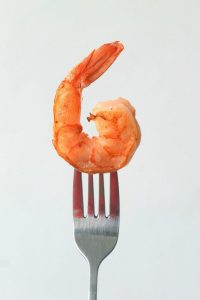
Walker, Mich. – A trade complaint lodged by two U.S. shrimping companies and backed by the human‑rights group Corporate Accountability Lab accuses Meijer, along with Aldi and Ahold Delhaize USA, of importing shrimp that may have been produced under forced‑labor conditions.
Details of the filing
The 62‑page petition names Indian seafood firm Nekkanti Sea Foods and its U.S. importer, Eastern Fish Company of New Jersey. It asks the International Trade Commission to block Nekkanti’s products from entering the United States and to require the three retailers to stop importing the shrimp permanently.
The complaint argues that forced labor and artificially suppressed wages let Indian producers sell shrimp at prices 12 % to 54 % below comparable American products. It cites wholesale Asian shrimp sold between 2021 and 2025 as being significantly cheaper than domestic shrimp, making it difficult for U.S. fishermen – who account for less than 10 % of U.S. shrimp consumption – to compete.
Alleged working conditions
According to a declaration from freelance labor journalist Rejimon Kuttappan, who interviewed 50 current and former workers, employees at Nekkanti earned roughly $95 to $126 a month. Some workers said the company withheld part of their pay to cover debts, while others reported restrictions on movement, with women allowed to leave company housing only once a month on payday.
Workers also described hazardous conditions in the processing plants, including frostbite on their hands and fainting after standing for hours peeling and cutting shrimp. One employee estimated that two or three women fainted each shift, and sick workers were sometimes given no more than ten minutes of rest before being expected to return.
Meijer’s response
Meijer issued a statement saying it is committed to responsible sourcing and does not tolerate forced labor in its supply chain. The retailer said it expects suppliers to follow applicable laws and its own ethical‑conduct standards, and that it takes appropriate action when those standards are not met. The statement did not specify any concrete steps taken regarding Nekkanti shrimp.
Regulatory context
The U.S. Department of Labor added shrimp from India to its list of goods produced with child labor or forced labor in 2024. India was the largest source of shrimp imported into the United States in 2023, accounting for nearly 40 % of all shrimp imports, according to the complaint.
Records attached to the filing show at least 52 sales of Nekkanti shrimp to Meijer between January 2022 and September 2026, the most recent being a shipment of 35,000 pounds of frozen, peeled and deveined shrimp in August 2026.
What’s next?
The International Trade Commission has not yet ruled on the allegations. If the commission acts on the petition, it could bar the imported shrimp and force the retailers to find alternative suppliers that meet U.S. labor standards.
Consumers in Michigan and across the nation will be watching how Meijer and its peers respond, as the case highlights broader concerns about supply‑chain transparency and the impact of unfair labor practices on American producers.
Original reporting: WOWO News/Talk (Fort Wayne) — read the source article.