What does a person do after fifteen years cooking in white-tablecloth kitchens when they realize the thing they actually enjoy is a cold beer and a pizza that doesn’t require explanation? If you’re asking about Ron Belmont — a Ghent regular who spent a decade in restaurant management before landing a barstool at Cogan’s sometime around 2009 — the answer is: you stop explaining yourself and you just go.
Cogan’s Pizza sits on 21st Street in Ghent, which means it has survived long enough to outlast several waves of what that neighborhood thinks it wants to be. The building is not trying to impress you. The interior has the specific energy of a place where the staff has heard every opinion and formed their own. There are booths. There is a bar. The lighting is what it is.
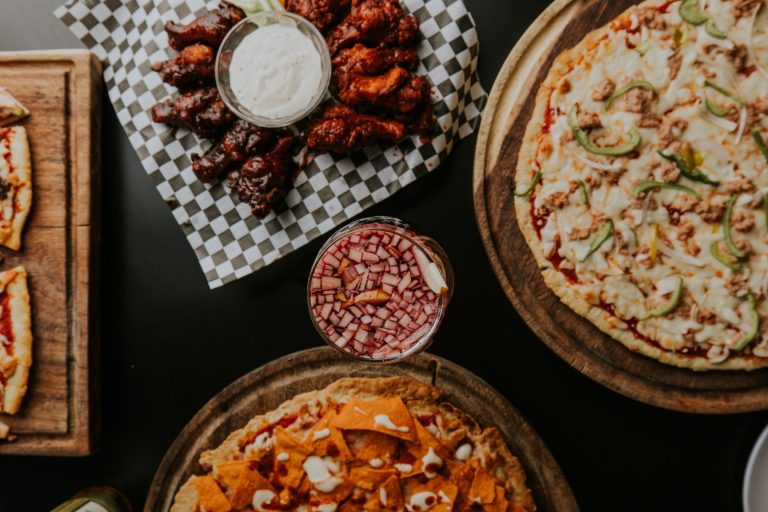
Ron has been coming here long enough that he knows which nights the kitchen moves fast and which nights you order a pitcher and settle in. His standing order — a large with roasted garlic, sun-dried tomatoes, and Italian sausage on a thin crust — arrives looking like it was assembled by someone who has thought seriously about the ratio of cheese to other things. He’ll tell you the crust is the whole argument. It’s not cracker-thin and it’s not thick enough to fold. It holds together without getting in the way. That is harder to achieve than most pizza menus suggest.
The menu runs wide. There are probably thirty topping combinations if you count the build-your-own route, plus a handful of specialty pies that cycle or stay depending on what the kitchen is doing. The calzones are legitimate. There’s a stromboli that at least one table in the room has ordered every single time you’ve been there. Prices land in a range that makes it easy to order a second pizza by accident — a large runs somewhere around fifteen to seventeen dollars depending on what you put on it, which in 2024 Ghent qualifies as reasonable.
What Ron points to, when he’s being specific about why he still comes back, is that Cogan’s doesn’t have an identity crisis. It decided what it was sometime before he started showing up and hasn’t reconsidered since. No seasonal cocktail program. No small-plates pivot. No chef’s-tasting anything. It is a pizza place with good beer on draft — Smartmouth shows up on the taps, which Norfolk requires — and the kind of crowd that includes grad students, couples in their sixties, parents who clearly needed a night out, and guys like Ron who have been coming for fifteen years and show no signs of stopping.
Go on a weeknight if you want a quieter booth. Weekend nights fill up faster than the place looks like it should, which is either a warning or a recommendation depending on your tolerance for waiting. No reservations, cash or card, parking on the street. The hours run into the late evening, which matters more than it sounds when you realize most of the nearby competition closes before the conversation is over.
Ron’s summary, offered without being asked: “It’s not trying to be anything. That’s the whole thing.” From a man who spent years in restaurants that were trying very hard to be something, that lands as actual praise.