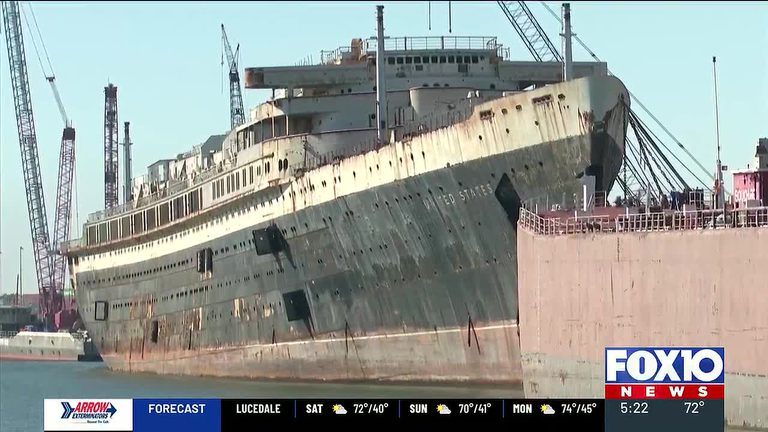
The SS United States, the famed 1950s ocean liner, is set to depart Mobile, Ala., on Nov. 9 for a final voyage that will end with its sinking off the Florida coast on Nov. 12. The plan, approved by the Army Corps of Engineers, will create the world’s largest artificial reef, offering new dive sites and a potential tourism boost for Okaloosa County.
Preparation and permitting
During the past year the ship has been stationed along the Mobile waterfront while crews performed extensive cleaning and remediation. All 128 fuel and lubricant tanks have been emptied and cleaned, every one of the vessel’s 12 decks has been cleared, and hundreds of historic artifacts have been removed for preservation. The project also secured a 10‑year re‑authorization permit from the Army Corps of Engineers, clearing the way for the controlled sinking.
Legal challenge
The SS United States Preservation Foundation filed a lawsuit arguing that the artificial reef could create environmental hazards, including the risk of toxic materials entering Gulf waters and contaminating the seafood supply. “There’s a possibility of having a serious potential for a Superfund site out in the Gulf, and Gulf seafood could be a risk,” said Carlos Camacho Jr., co‑founder of the foundation.
A federal judge denied the foundation’s initial emergency request to block the sinking, allowing preparations to continue. The foundation has filed a second request, but Okaloosa County officials say the project remains on schedule.
Local expectations
County spokesperson Nick Tomecek highlighted the national attention the project has already attracted, noting that it could draw visitors “that we’ve never seen before.” Divers are expected to be able to explore the wreck as soon as the day after the sinking, providing a new attraction for both recreational divers and marine‑science enthusiasts.
What’s next
If everything proceeds as planned, the SS United States will be towed from Mobile on Nov. 9, positioned off the Florida coast on Nov. 12, and deliberately sunk to form the artificial reef. The project illustrates a partnership between preservationists, federal regulators, and local officials aimed at turning a historic vessel into a lasting marine habitat while boosting regional tourism.
Stakeholders will continue to monitor environmental impacts, and the preservation foundation remains vigilant about potential hazards. For now, Okaloosa County looks forward to welcoming divers and tourists to what could become a landmark marine destination.
Original reporting: FOX10 WALA Mobile (news) — read the source article.