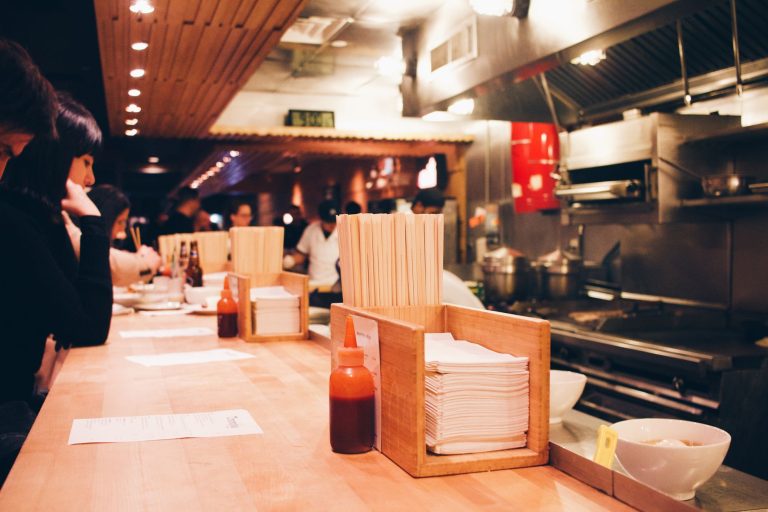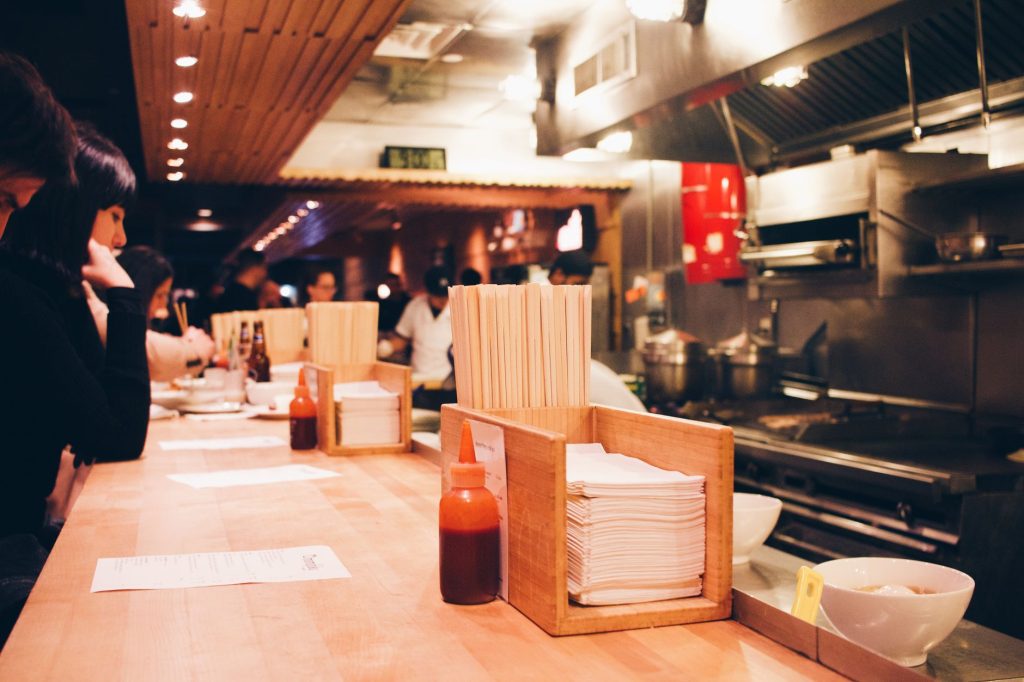
What do people actually eat in Germantown on a cold Tuesday night? Walk down Goss Avenue past the craft beer bars and the vintage shops, and you’ll eventually land at Ramen House by Moto — a small, low-lit spot that seats maybe forty people and has built a quiet, serious reputation without much fanfare.
The place is a sibling operation to Moto, the Japanese restaurant on Frankfort Avenue that has been a Louisville fixture for years. Ramen House opened to serve a narrower, more focused menu: bowls of ramen, a handful of small plates, and not much else. That restraint is part of why it works. There’s no hedging, no fusion detours. The kitchen has one job and it shows.
The tonkotsu is the standard bearer — a twelve-hour pork bone broth that arrives at the table with a slick of fat on the surface and a depth that takes a few spoonfuls to fully register. It’s rich without being cloying, and the noodles hold their texture long enough that there’s no race to finish before things turn soft and sad. A soft-boiled marinated egg, sliced mushrooms, chashu pork, and scallions round out the bowl. At around fourteen dollars, it’s the kind of meal that makes the math feel honest.
The spicy miso ramen draws its own crowd — a darker, earthier broth with a slow heat that builds toward the bottom of the bowl. For anyone who wants something lighter, the shio broth is a clear chicken-based option with more delicacy than the others. The kitchen also runs occasional specials, usually worth asking about before ordering.
Small plates deserve a mention. The takoyaki — octopus balls with bonito flakes, mayo, and okonomiyaki sauce — are made to share but tend not to make it that far. The gyoza are pan-fried well, with crispy bottoms and enough filling that they don’t feel like an afterthought. Order both if the table can handle it.
Service is casual and unhurried in a way that suits the room. Tables are close together. The lighting is warm. On weekend evenings there’s usually a wait, and the small entry area fills up fast with people studying the menu board on their phones before they even get inside. Weeknights are more forgiving, and the experience is more or less the same either way.
Germantown has changed considerably over the last decade — more restaurants, more foot traffic, a younger demographic moving into the old Victorians — but Ramen House feels less like a symptom of that change and more like a place that would have worked here in any era. It’s not trying to be a destination. It just happens to be one.
Parking on Goss Avenue and the surrounding streets is free and generally manageable. The restaurant is BYOB on certain nights, worth confirming ahead of time. Cash and card both accepted. Plan on spending twenty to twenty-five dollars per person with a small plate in the mix — a reasonable ask for a bowl that will actually stay with you.