When the first frosts arrive in Bismarck, many birdwatchers notice a shift in the skies. The North Dakota Game and Fish Department explains that migration patterns this winter are split between species that travel to warmer regions and those that remain in the state.
Species heading south
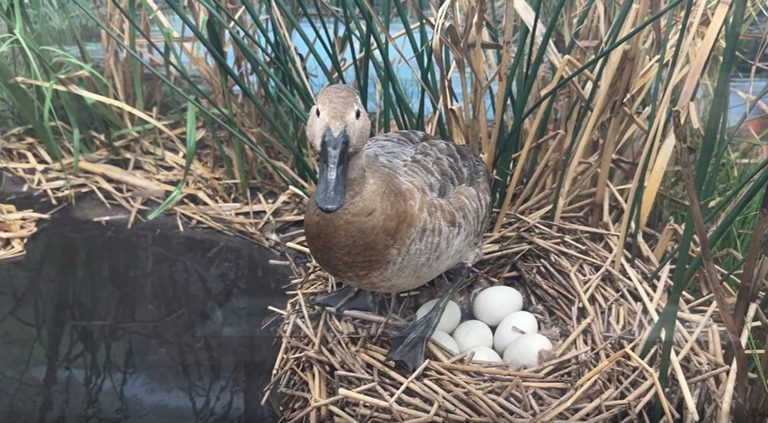
Waterfowl such as ducks and geese that breed in the northern plains typically join flocks moving toward the central United States. The department notes that many of these birds are expected to reach states like Kansas, Missouri and Texas as they seek milder climates and abundant food sources.
Birds staying put
Not all birds are heading for the Gulf Coast. Mallards and Canada geese, known for their adaptability, often find enough open water in the Missouri River to survive the harsh winter. John Palarski, the Migratory Game Bird Management Supervisor, says, “Those are pretty hardy birds that can kind of withstand, you know, the cold winters that we have. But they need to have open water to be able to do so. And so the Missouri River here in Bismarck is kind of their sanctuary for some of those species.”
In addition, tundra swans passing through North Dakota may veer eastward toward the Atlantic coast rather than heading directly south. This eastward movement highlights the varied routes that different species take depending on their breeding grounds and food needs.
Midwinter waterfowl survey
Each January, Game and Fish conducts a midwinter waterfowl survey to count how many birds are spending the season in North Dakota. The data help wildlife managers assess habitat conditions and plan conservation efforts for future seasons. By tracking these numbers, the department can better understand which habitats are most critical for wintering birds and allocate resources accordingly.
For residents who enjoy birdwatching, the winter months offer a unique opportunity to observe these resilient species up close. The Missouri River’s open water not only supports the birds but also provides a scenic backdrop for families and outdoor enthusiasts seeking a connection with nature during the colder season.
Overall, while many birds continue their traditional southward journey, a notable portion of waterfowl are choosing to stay in North Dakota, relying on local waterways and the dedication of wildlife officials to maintain suitable winter habitats.
Original reporting: KFYR-TV Bismarck (news) — read the source article.