People who know Rancho Santa Ana Botanic Garden tend to say the same thing: they went once, thought they’d spend an hour, and stayed half the day.
Situated on 86 acres in Claremont — just east of the 210, about 35 miles from downtown Los Angeles — Rancho Santa Ana is the largest botanic garden in the country devoted entirely to California native plants. That narrow focus turns out to be the whole point. Where other gardens import spectacle from around the world, this one makes a quieter argument: that what already grows here is worth paying attention to.
The case starts at the entrance, where the admission fee runs just $10 for adults, $5 for students, and free for children under 12. For that, visitors get access to a landscape that shifts from coastal sage scrub to oak woodland to chaparral, all within walking distance. Trails are mostly flat, well-signed, and wide enough to feel unhurried. The whole place has the tempo of a long walk, not a museum visit.
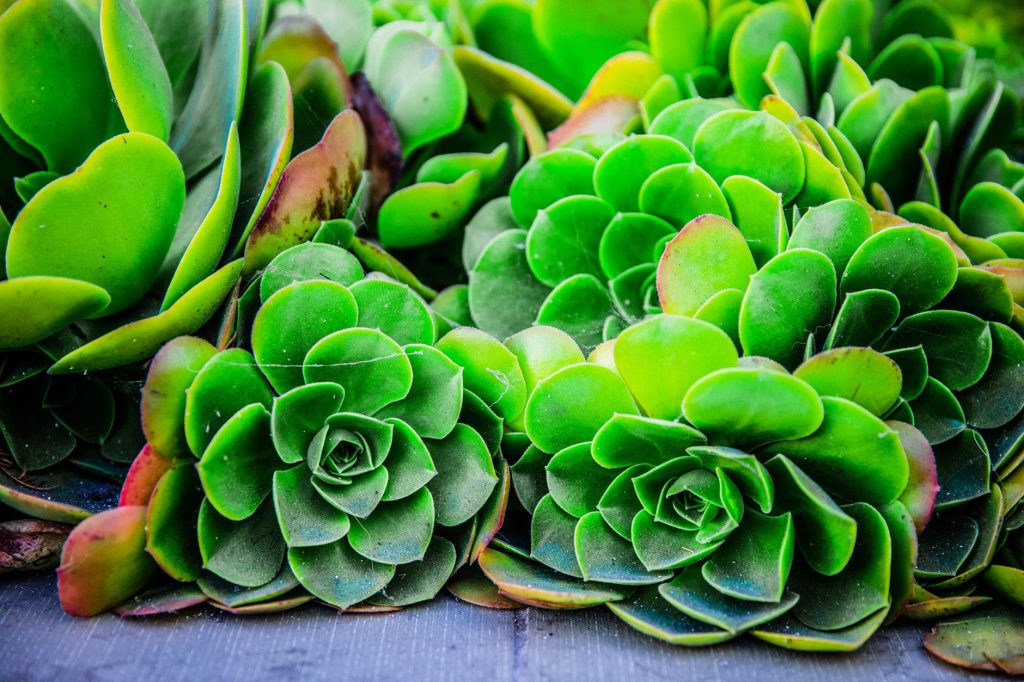
The plant collection itself is serious — more than 2,000 taxa representing virtually every corner of the state’s native flora. The manzanitas alone are worth a detour; the garden holds one of the most comprehensive manzanita collections in existence, and in winter and early spring, their gnarled red branches and tiny white flowers stop people mid-stride. The California poppies peak in March and April, carpeting the open meadow sections in a way that photographs can’t quite capture. Later in the year, the salvias and native bunchgrasses take over, buzzing with pollinators on warm afternoons.
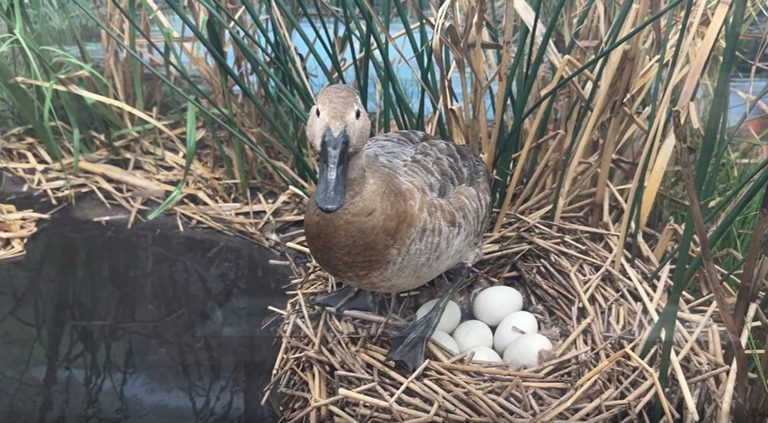
Birders find their own reasons to show up. The oaks attract acorn woodpeckers, scrub jays, and the occasional Cooper’s hawk working the treeline. Monarch butterflies move through in fall. The garden doesn’t advertise itself as a wildlife destination, but the combination of native plants and water features does the work quietly.
The staff and volunteers are another reason to linger. Weekend docent-led tours run regularly and lean toward genuine enthusiasm rather than rote recitation. Questions get real answers. The Grows! Native Plant Nursery, on the grounds near the entrance, sells propagated stock from the collection — meaning visitors can leave with a local cultivar of salvia or ceanothus that’s been grown specifically for Southern California gardens. The nursery is small but thoughtfully curated, and the staff there are patient with beginners.
The garden sits on a section of historic Rancho Santa Ana land that dates to the Mexican land grant era, and the history is woven into the interpretive materials without overwhelming them. The focus stays on the plants and the landscape, which is the right call.
Claremont itself rewards the drive. The downtown village, a short distance from the garden, has bookstores, good coffee, and a Saturday farmers market worth timing a visit around. Parking at the garden is free, which in this part of the world is not a small thing.
Rancho Santa Ana doesn’t compete with Descanso or the Huntington for grandeur or European garden formality. It’s doing something different — making the case for what’s native, what’s adapted, what already belongs here. On a clear winter morning, when the mountains are snow-capped and the chaparral is green from recent rain, that case is very easy to accept.