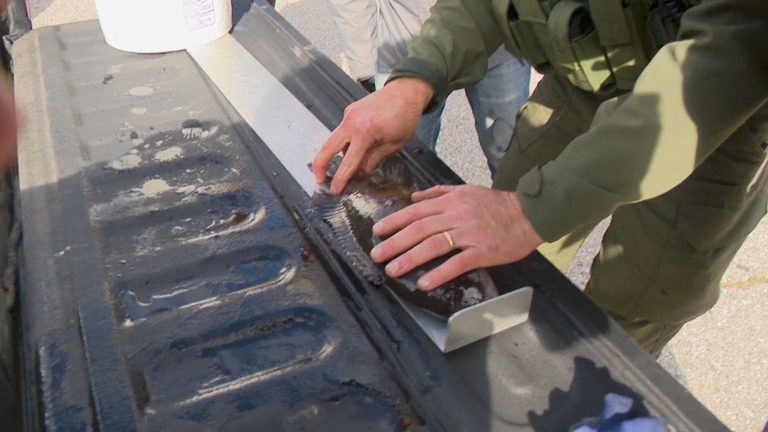
Jamestown, R.I. – Rhode Island Environmental Police are urging local anglers to obey fishing size limits after recent enforcement actions highlighted the issue on social media. During a ride‑along with Marine Patrol Officer Bob Murtha, officers checked licenses and measured catches along the shoreline.
Murtha discovered two fish measuring 14 inches, which is two inches below the 16‑inch minimum length required for that species. He issued a citation to the angler and used the encounter as a teaching moment, reminding others that undersized fish must be released.
Why size limits matter
According to the state Department of Environmental Management (DEM), minimum size and possession limits vary by species and can change with the season. Murtha explained that protecting younger fish allows them time to reproduce, helping sustain healthy populations for future generations.
“We want you to go in the right direction,” Murtha said. “We don’t want you to end up doing violations.” The officer emphasized that the department’s goal is to both educate the public and enforce the rules.
Recent seizure underscores the issue
In a separate enforcement case, more than 70 illegally caught tautog and black sea bass were seized from two anglers in state waters. Most of the fish were below the legal minimum size, resulting in multiple citations for the individuals involved.
These actions illustrate the department’s commitment to conservation while maintaining positive relationships with the community. DEM officials note that undersized fish often have not yet reached reproductive age, and removing them from the water can negatively impact the overall health of the fishery.
How to report violations
Murtha encouraged anyone who witnesses suspected violations to contact the department’s 24‑hour dispatch line at 401‑222‑3070. The number is also listed on the DEM website for reporting active infractions.
By working together, anglers, law‑enforcement officers, and the Department of Environmental Management can help preserve Rhode Island’s waters for both recreational fishing and the ecosystem at large.
Original reporting: NBC 10 WJAR (Sinclair) – local — read the source article.