As deer season peaks from October to December, drivers across North Carolina are encountering more wildlife on dark, rural roads. Recent near‑misses, like photographer Dwayne Myers’ crash on Pendergrass Road in Sanford, highlight the importance of simple safety steps to keep families and animals safe.
What happened on Pendergrass Road
Myers was traveling at 35 miles per hour—about ten miles per hour below the posted limit—when a deer ran into the right side of his vehicle. The impact crumpled the side of the car, deployed the airbags and triggered the vehicle’s crash mode. Although his work truck was heavily damaged, Myers escaped serious injury.
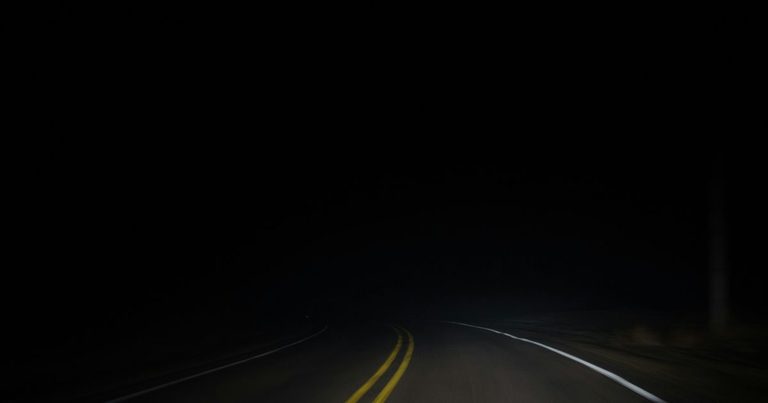
“I didn’t even see it,” Myers said. “You try to do everything right and it still happens. You’re driving down a country road, no lights, no street lights, and these fields that are just in blackness.”
State Highway Patrol advice
Bianca Oser, a Master Trooper with the North Carolina State Highway Patrol, says speed is the biggest factor in deer‑related injuries and fatalities. She urges drivers to reduce speed in wooded areas, open fields and near streams—places where deer travel in groups.
“In more rural areas, you want to slow down in those heavy wood wooded areas, open fields, streams, and things like that because deer like to travel in groups,” Oser explained.
Practical steps to avoid a collision
- Stay alert and scan the shoulders of the road.
- Use headlights; look for the characteristic reflection in a deer’s eyes.
- On unlit roads, use high beams when it won’t blind oncoming traffic.
- Drive slower than usual, especially during dawn and dusk.
- Maintain a safe distance from the vehicle ahead; if they slow or stop, they may have spotted an obstruction.
- Keep the vehicle straight—avoid swerving, crossing the center line or leaving the roadway.
If a crash occurs
Even with all precautions, accidents can happen. Oser advises drivers to move the vehicle off the road if possible and call 911 immediately, providing precise location details and any injuries.
Legal considerations after a deer crash
Bobby Jenkins, an attorney with Lanier Law Group, notes that you cannot sue a deer, but insurance coverage will determine your options. He recommends photographing the vehicle and the scene right away.
“If a person swerves to avoid a deer and then crashes into you, you might be able to file a claim against them,” Jenkins said. “However, that decision to swerve could also fall under the Sudden Emergency Doctrine, meaning no one is held liable.”
Jenkins adds that the biggest mistake after a deer‑related crash is delaying documentation or contact with insurance and legal counsel.
Why the timing matters
Deer are most active during low‑light periods, and as days grow shorter, many commuters are on the road at the same time deer are moving. The State Highway Patrol reports that Wake County alone sees a couple thousand deer‑related crashes each year.
By following the patrol’s recommendations and staying vigilant, drivers can protect their families, their vehicles and the wildlife that shares North Carolina’s rural landscapes.
Original reporting: WRAL Raleigh — read the source article.