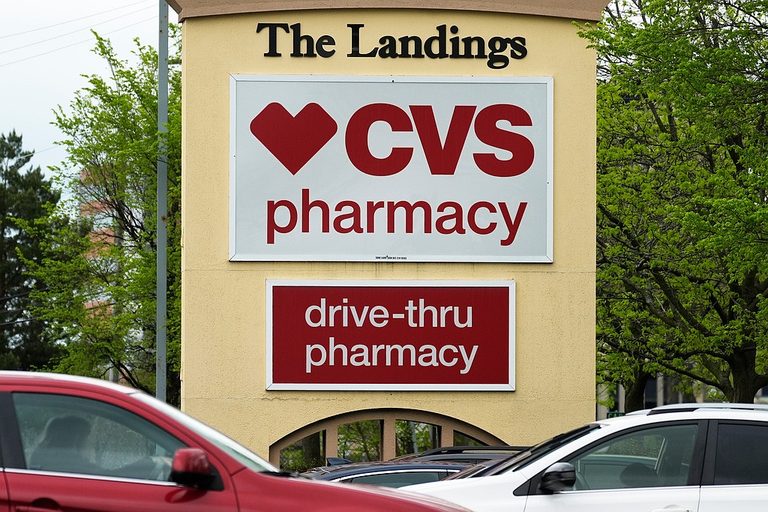
In a move that reshapes one of the nation’s largest health‑care conglomerates, CVS Health said Wednesday it will divide into two publicly traded companies. The split, expected to be completed in the first half of 2028, will create a new entity called CVS Pharmacy that will own the chain’s roughly 9,000 retail locations, in‑store medical clinics and its mail‑order pharmacy operation.
The remaining CVS Health company will retain the Aetna health‑insurance brand, the Caremark pharmacy‑benefit manager and other services that provide home‑based and primary‑care options for seniors. CEO David Joyner told CNBC the decision reflects “external” political and regulatory pressures, but also a strategic choice to let each business “innovate and move faster” from a position of strength.
Why the breakup matters
Industry observers have long debated whether the integrated model of owning both a pharmacy chain and a pharmacy‑benefit manager truly benefits consumers. Critics argue that the combined structure can limit competition and drive up drug costs. By separating the businesses, CVS hopes to give investors clearer insight into each segment’s performance and allow the insurance and benefits arms to focus on their core markets.
Analysts note that the retail pharmacy side has faced margin pressure and competition from online retailers, while the pharmacy‑benefit manager and insurance divisions have been viewed as the more profitable parts of the company’s portfolio.
Impact on consumers
CVS has warned that the split could lead to the closure of some drugstores and higher prices for shoppers. However, the company also points out that it already offers financial incentives for customers to fill prescriptions at its locations, and those programs could continue after the separation. Consumers may not notice a major change in day‑to‑day service, as the same brand names and pharmacy networks are expected to remain.
During an analyst call, Joyner said the restructuring will be a tax‑free transaction for existing shareholders, who will receive shares in both new companies. Prem Shah, a longtime CVS executive, will lead the pharmacy spinoff.
Financial backdrop
Last year CVS Health generated more than $400 billion in revenue, ranking it seventh among U.S. public companies. The firm reported stronger‑than‑expected third‑quarter results, turning a loss from the same period in 2025 into a profit. Despite a recent dip in its stock price—down about 12% on the day of the announcement—the broader market rose after Democrats took control of Congress.
Industry experts see the split as an acknowledgment that the anticipated synergies between the pharmacy chain and Caremark were overstated. “Bigger isn’t always better,” said Arielle Trzcinski of Forrester, noting that the move aligns with a growing trend of large health‑care firms simplifying their structures.
Regulatory context
The decision comes amid heightened scrutiny of health‑care giants by lawmakers from both parties. Arkansas and Tennessee have recently passed laws aimed at preventing companies from simultaneously managing prescription benefits and operating retail or mail‑order pharmacies. Similar proposals are under consideration in Washington and other states, and the companies have actively opposed such legislation.
By separating its pharmacy business, CVS may reduce regulatory pressure and position itself more favorably in ongoing policy debates.
Original reporting: Texarkana Gazette — read the source article.