Arizona voters have spoken. Unofficial results released after the November 2026 election show that Proposition 320 – a ballot measure aimed at increasing classroom spending – was rejected by a narrow margin. Fifty‑one point nine percent of voters cast ballots against the measure, while forty‑eight point one percent voted in favor.
What Proposition 320 Proposed
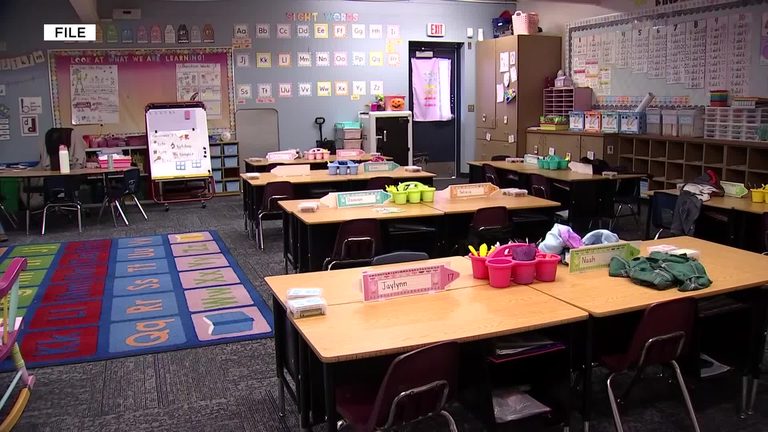
Prop. 320 would have mandated that certain school districts spend a minimum of sixty percent of their operational budgets on “direct instructional expenses.” Districts falling short of that threshold would have been required to raise their share by at least half a percentage point each year until they reached the sixty‑percent mark. The requirement was slated to begin in the fiscal year 2027‑2028.
The measure targeted districts with more than 7,500 students or those located in counties with populations exceeding 500,000 residents. That definition encompasses every district in Maricopa, Pima and Pinal counties – the three most populous regions of the state.
Arguments From Both Sides
Supporters of the proposition argued that the spending floor would boost teacher pay and improve classroom resources, positioning the measure as a direct investment in Arizona’s children and families. They emphasized that higher instructional spending could help attract and retain qualified educators, a goal that aligns with the state’s broader commitment to strong, traditional families and quality education.
Critics, however, warned that the definition of “direct instructional expenses” was overly vague. They cautioned that districts might be forced to cut essential services such as transportation, food service, or student support programs in order to meet the spending requirement. Those concerns reflect a broader skepticism about mandates that could limit local control and flexibility for school administrators.
Implications for Arizona Schools
With the measure defeated, school districts will continue to determine their own spending priorities without a statewide mandate. Districts in Maricopa, Pima and Pinal counties can maintain existing budget structures, allowing them to balance instructional needs with other critical services.
Education leaders across the state have noted that the debate surrounding Prop. 320 underscores the ongoing conversation about how best to fund public schools while preserving local autonomy. The outcome may encourage policymakers to explore alternative approaches that address teacher compensation and classroom resources without imposing a one‑size‑fits‑all spending formula.
Looking Ahead
While Proposition 320 will not take effect, the discussion it sparked is likely to continue in upcoming legislative sessions and future ballot initiatives. Stakeholders—including parents, teachers, and local officials—will watch closely as Arizona seeks ways to strengthen its education system while respecting the constitutional principle of local governance.
For voters who wish to stay engaged, the Arizona Secretary of State’s office will provide detailed results by county and precinct in the coming weeks. Community members are encouraged to attend school board meetings and participate in public forums to ensure their voices are heard on future education policy decisions.
Original reporting: azfamily KTVK/KPHO Phoenix (news) — read the source article.