On a Tuesday afternoon in February, the sidewalk on West Wells Street is mostly empty. Inside the Milwaukee Police Museum, a retired officer is explaining to a couple from Green Bay exactly how a 1920s Tommy gun actually worked. He’s not reading from a card. He just knows.
The Milwaukee Police Museum doesn’t get much foot traffic compared to the big institutions on the lakefront, and it’s not trying to. It occupies a modest space in the downtown Third Ward area, run almost entirely by volunteers — most of them retired Milwaukee Police Department officers. That detail matters. When you ask about an artifact, you’re often talking to someone who was on the force for thirty years and has an actual opinion about it.
The collection covers about a century and a half of Milwaukee law enforcement history. There are badges, handcuffs, photographs, old patrol equipment, and case files from some of the city’s more notorious criminal episodes. A section on Milwaukee’s Prohibition-era bootlegging scene is genuinely interesting — the city had a complicated relationship with the Volstead Act, as you’d expect from a place built by German brewers. Some of the confiscated contraband on display looks almost quaint now.
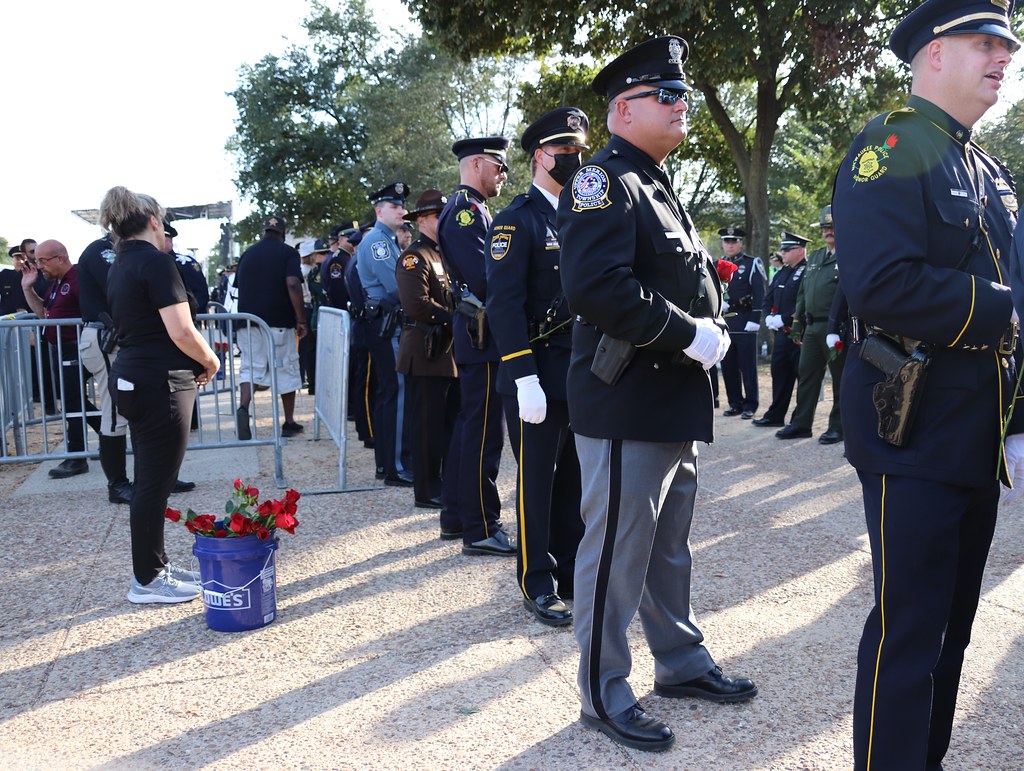
One of the more affecting corners of the museum is dedicated to officers killed in the line of duty. The documentation is careful and specific — names, dates, circumstances — and it doesn’t editorialize. You read the plaques and do the math yourself. Milwaukee has a longer and harder police history than most people who didn’t grow up here tend to realize.
There’s also a rotating case of items related to major investigations, including the Jeffrey Dahmer case, which is handled straightforwardly rather than sensationally. That’s not easy to do with that material, and they manage it.
Admission is free, though they appreciate donations. The museum is open limited hours — typically Tuesday through Friday, roughly 9 a.m. to 4 p.m., though it’s worth calling ahead or checking their current schedule before you make the trip. It’s a small operation and hours have shifted before. Parking is easier than most of downtown, especially mid-week.
Plan for 45 minutes to an hour. That’s enough time to move through everything properly and have a conversation with whoever’s staffing the front desk. If you’re interested in Milwaukee history beyond the standard civic narrative — the immigrant neighborhoods, the labor strife, the crime that came with rapid industrialization — this place fills in gaps that the larger museums tend to gloss over.
It’s the kind of place that works best if you go in curious and let the volunteers talk. They’ve been around long enough to know which stories are worth telling, and they tell them without dressing them up.