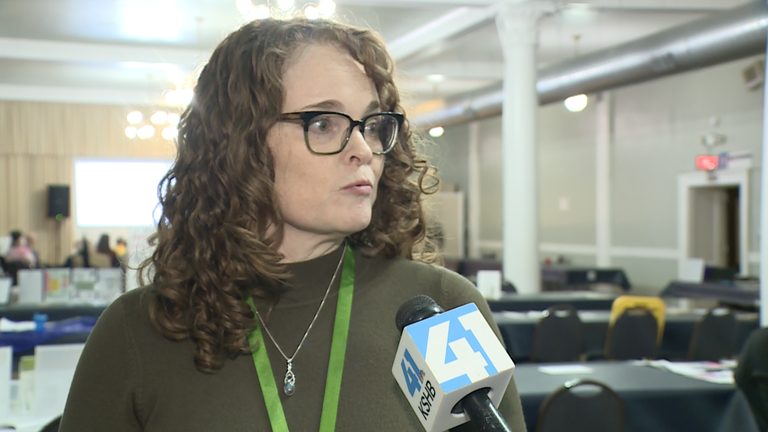
Saturday marked the fourth annual Kansas City Racial Justice Summit, hosted by Intersect KC and organized by the KC Disciples Becoming Beloved Community Team. The event brought together faith leaders, local activists and ordinary residents to discuss how to translate shared convictions into tangible policy change.
Faith‑based leadership drives the agenda
Rev. Mindy Fugarino, executive director of Intersect KC, opened the summit by reminding attendees that “no one’s getting left behind.” She stressed that community members have real power to shape policies that affect the most vulnerable, and that voting is just one avenue for lasting impact. Rev. Tamara Chestnut echoed the sentiment, noting that the work of building a more just society has only just begun and that every person can influence another’s life.
Keynote and workshops
The summit’s keynote speaker, Rev. Dr. Hanna Broome, set a tone of hope and responsibility. Eight local racial‑justice leaders then led workshops covering topics such as homelessness, immigration, racial equity and the war in Gaza. Resource tables gave participants direct connections to organizations ready to mobilize volunteers and provide support.
Personal stories illustrate broader concerns
Sagi Rudnick, an attendee affiliated with Jewish Voice for Peace, shared how his identity as a Jewish American with Israeli citizenship informs his activism. He described the conflict in Gaza as a genocide and urged others to use their privilege to speak out against injustice.
From election reflections to ongoing action
Summit participants reflected on the recent election, with Rudnick noting that the results demonstrated the power of collective action. He urged the crowd to keep the momentum going beyond Election Day, emphasizing that sustained involvement is essential for lasting change.
Building relationships for future impact
Organizers highlighted that the summit’s primary goal is to turn shared values into concrete steps, fostering relationships that can translate into policy influence. By bringing together diverse voices—faith leaders, activists, and everyday citizens—the summit aims to create a unified front capable of addressing both local and national challenges.
The event underscored the belief that when communities unite around common moral principles, they can shape policies that protect the most vulnerable and strengthen the social fabric of Kansas City.
Original reporting: KSHB 41 Kansas City (local) — read the source article.