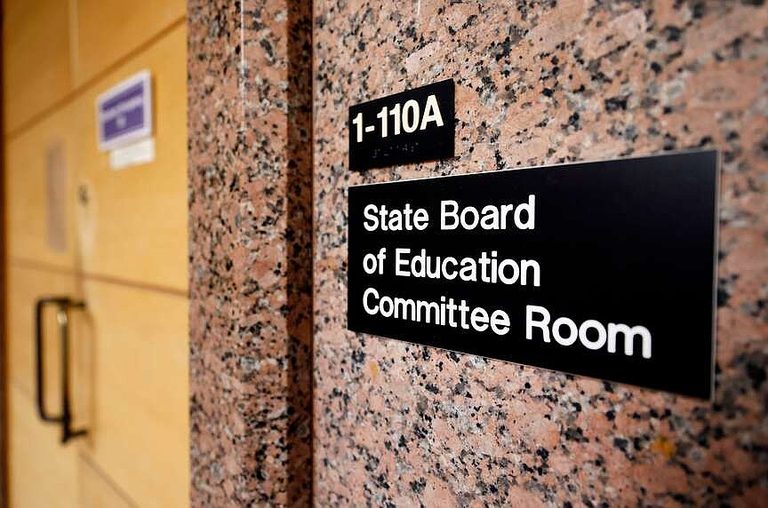
Dallas – Voters in the 2026 midterm elections have reshaped the Texas State Board of Education, creating an even 7‑7 partisan balance. The shift ends a decades‑long Republican supermajority that approved a Bible‑infused reading list and a social‑studies curriculum linking Islam to violence.
Election outcomes
Before the vote, the board consisted of 11 Republicans and four Democrats. Seven seats were up for election, including three in North Texas. Democrat Tiffany Clark (District 13), who was re‑elected, will continue to represent parts of Dallas and Tarrant counties. Republican pastor Kason Huddleston won District 9, covering Kaufman and Rockwall counties, while Republican Mindy Bumgarner secured District 14, which includes Ellis and Denton counties. The District 8 race remains too close to call, with Democrat Dana Van de Walker leading incumbent Republican Audrey Young by fewer than 600 votes.
Implications for curriculum
The new balance gives Democrats a greater say in the board’s decisions on learning standards, graduation requirements, charter school approvals, and textbook adoption. Governor‑elect Gina Hinojosa, a Democrat, will select the board chair, who sets the meeting agenda. “This is an opportunity to explore and redo some of the things that have currently been put in place that didn’t seem to be effective for all 5.5 billion students,” said Clark.
Republican board members Huddleston and Bumgarner have defended the existing standards, arguing that Texas values are under attack from the radical left‑wing. Bumgarner called the curriculum a “victory,” while Huddleston warned that the standards face criticism from opponents who view them as harmful.
Potential next steps
It remains unclear how the board will revisit the controversial standards. The Texas Education Agency has promoted the state‑developed Bluebonnet instructional materials, which include Bible stories but have drawn criticism for numerous errors. With a balanced board, any future changes will likely require broader consensus.
Local educators and advocacy groups are watching closely. Julia Brookins, a senior program analyst with the American Historical Association, testified against the previous changes and hopes for a “more better informed process” and a “better outcome” now that the board’s composition has shifted.
Community reaction
Republican state representative Brandon Hall (Aledo) warned he will use every procedural tool to make passing what he calls a “harmful agenda” as cumbersome as possible. Meanwhile, Clark emphasized a desire to involve more educators in curriculum decisions, reflecting the new board’s diverse perspectives.
The board’s next meeting in January will set the tone for how Texas approaches its education standards moving forward, with both parties poised to influence the direction of textbooks and learning materials for the state’s students.
Original reporting: Texarkana Gazette — read the source article.