The 10th U.S. Circuit Court of Appeals in Denver issued a decisive ruling Friday that backs the NCAA’s recently adopted five‑year eligibility rule for student‑athletes. In the case Wisne v. NCAA, the three‑judge panel reversed a July district‑court order that had granted players who graduated high school in 2022 an extra year of eligibility.
What the ruling means
The lower‑court decision had effectively opened the floodgates, allowing the entire Class of ’22 to return for a fifth season. That move created chaos for college programs, which suddenly faced a surge of eligible athletes competing for limited roster spots. The appeals court’s reversal restores the NCAA’s policy that the five‑year window applies only to athletes who enroll starting with the next class, preserving the stability of team rosters.
NCAA’s response
Chief legal officer Scott Bearby praised the decision, calling it “consistent with the approach taken by every federal court of appeals” in similar cases. In a memo to member institutions, Bearby emphasized that retroactively changing eligibility rules can destabilize rosters and disrupt the settled expectations of student‑athletes regarding playing time and scholarship allocations.
Impact on current athletes
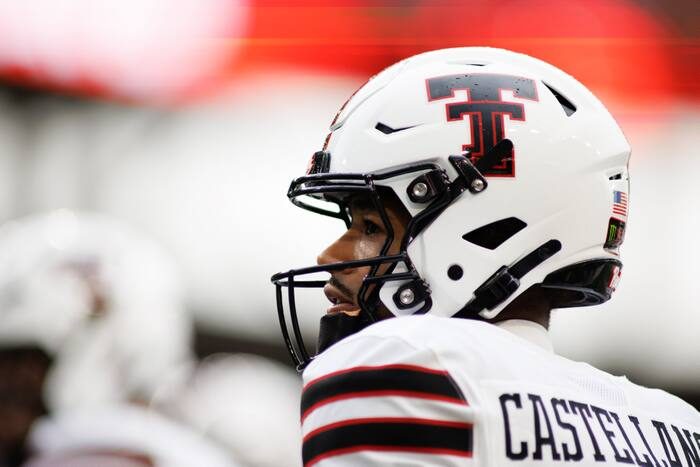
Even with the federal win, the NCAA still faces roughly 200 state‑level lawsuits involving as many as 850 athletes. Some players have already been added to rosters thanks to favorable state‑court rulings, creating a patchwork of eligibility across the country. Texas Tech quarterback Thomas Castellanos, for example, has been toggling on and off the roster as courts issue conflicting orders. Basketball programs also entered the season amid lingering uncertainty.
Legal reasoning
The panel, authored by Judge Carolyn McHugh, rejected the plaintiffs’ argument that all Division I athletes constitute a single market. McHugh wrote that a football player would not view a school without a football program as a reasonable substitute, underscoring the need to assess each sport’s unique market when evaluating alleged harms.
What’s next?
While the appellate decision provides a clear federal precedent, the unresolved state cases mean the eligibility landscape will remain uneven for the foreseeable future. The NCAA has urged schools to follow the federal ruling while it continues to monitor and, where possible, litigate the remaining state actions.
Local relevance
For Texas fans, the ruling offers a measure of certainty for upcoming seasons, but the lingering state lawsuits could still affect local programs that rely on a stable roster to compete. Coaches, athletic directors, and families should stay informed about both federal guidance and any state‑court developments that may impact their athletes.
Original reporting: KSAT Sports (San Antonio) — read the source article.