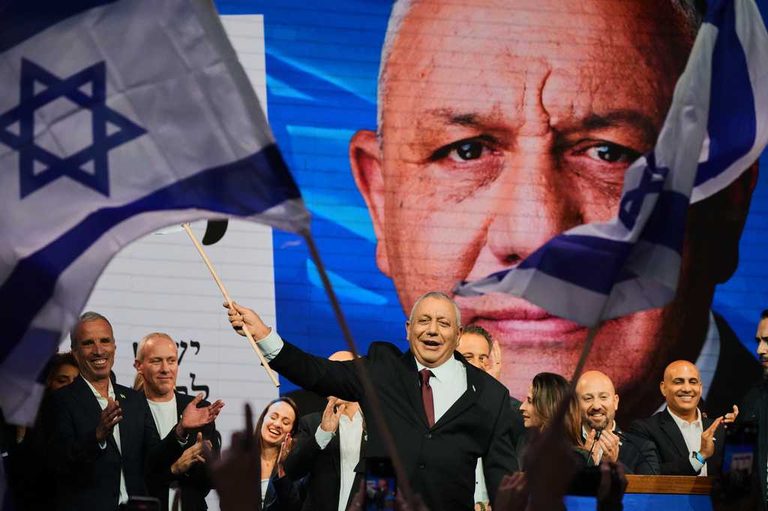
Israeli President Isaac Herzog announced Saturday night that he is tasking opposition candidate Gadi Eisenkot with the initial effort to build a governing coalition. The decision follows the October 27 parliamentary election in which neither Eisenkot nor Prime Minister Benjamin Netanyahu secured a clear majority.
President’s rationale
Herzog said the move reflects the recommendations of representatives from most of Israel’s major parties, who, after intensive consultations, concluded that Eisenkot is best positioned to bring together a viable coalition. The president emphasized the need for a stable government that can address pressing security and economic challenges.
Eisenkot’s stance on coalition partners
Eisenkot, a former chief of the Israel Defense Forces, has signaled a willingness to work with Arab‑led parties under strict conditions, including a firm condemnation of Hamas as a terrorist organization that must be destroyed. He stressed that any partners must share his commitment to national security and reject extremist influences.
Netanyahu’s response
Prime Minister Netanyahu, who called for a “national unity government” in a video statement, warned against “hastily swearing in a government with terrorist supporters,” a clear reference to the Arab‑led factions. Netanyahu and his Likud allies have repeatedly portrayed these parties as a security threat.
In reaction, Eisenkot’s Yashar party posted a statement on X urging Likud members to distance themselves from “radical parties” within their religious‑nationalist base. The statement reiterated that Eisenkot will only include parties and parliament members who recognize Hamas as a terrorist organization.
Implications for Israeli politics
The appointment represents a significant shift in the post‑election power dynamics. While Netanyahu remains a dominant figure, the president’s decision underscores the fragmented nature of Israel’s parliament and the necessity of cross‑party collaboration. Analysts note that Eisenkot’s ability to negotiate with both right‑wing and Arab parties will be crucial for forming a functional government.
Observers also point out that the coalition‑building process is likely to be lengthy, given the diverse ideological positions of potential partners. The outcome will shape Israel’s domestic policy agenda and its approach to regional security challenges.
What comes next
Eisenkot now has a limited window to present a coalition agreement to the president and secure a vote of confidence in the Knesset. If successful, his government would replace Netanyahu’s administration, marking the end of the longest‑serving premier’s current term.
Should Eisenkot fail to assemble a majority, the president may return to Netanyahu or consider other candidates, prolonging the political stalemate. The next weeks will be critical for Israel’s governance and its ability to address both internal and external pressures.
Original reporting: WESH Orlando — read the source article.