Dallas – After Tuesday’s statewide elections, Gov.-elect Gina Hinojosa (D‑TX) and other newly‑elected Democrats cannot simply repeal Texas’ constitutional carry law by signing an executive order. The 2021 statute that eliminated the license requirement for eligible adults can only be altered through the legislative process, and any new language must still obey both the Texas Constitution and the U.S. Constitution.
What the law currently allows
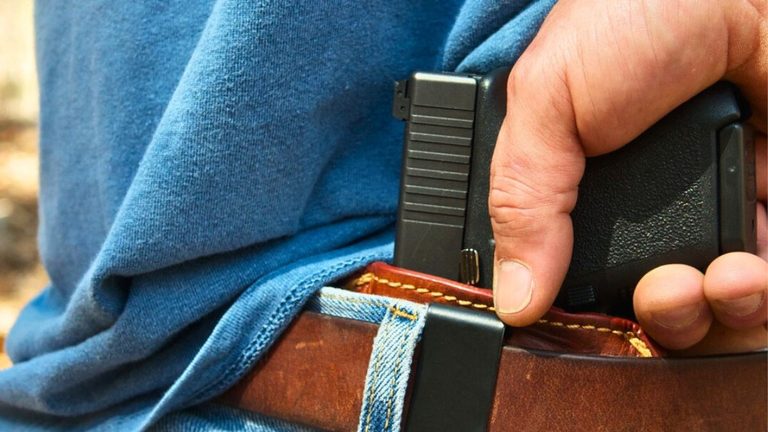
House Bill 1927, signed by Gov. Greg Abbott (R‑TX) on June 16, 2021 and effective September 1, 2021, lets eligible adults carry a handgun in most public places without obtaining a state License to Carry. The law expressly preserves prohibitions on firearm possession for anyone barred under state or federal law, and it leaves federal background‑check requirements for purchases from licensed dealers intact.
Why repeal is not a simple executive action
The Texas Constitution, Article I, Section 23, protects the right to keep and bear arms while granting the legislature authority to regulate the carrying of arms. Because the statute is a regular law, not a constitutional amendment, a governor cannot unilaterally repeal it. Any bill to reinstate a permit requirement must clear both the House and Senate and then receive the governor’s signature.
Even if a governor called a special session on carry laws, lawmakers would still need to pass a bill. A special‑session proclamation does not erase existing law.
Legislative odds
Republicans retained a majority in the Texas Senate, and the lieutenant governor—who presides over that chamber—cannot enact laws in place of senators. A Republican‑majority Senate could block any repeal effort, and the House would also need to approve the measure. The next legislative session begins on January 12, 2027, with bill filing opening on November 9.
Potential paths forward
Lawmakers could amend the current statute to require a license for public handgun carry again. Such a change would not ban firearm ownership, but it would re‑introduce the licensing process, which includes background checks and provides benefits such as reciprocity with other states that honor Texas licenses.
Any new restrictions would still have to satisfy the U.S. Supreme Court’s 2022 Bruen decision, which affirmed the right to carry handguns in public for self‑defense while allowing historically grounded regulations. The Court distinguished objective permit standards from New York’s discretionary system, leaving room for reasonable licensing requirements.
What the debate looks like
Gun‑rights groups such as Gun Owners of America argue that “Texans shouldn’t have to ask the state for permission to exercise their right to carry a handgun,” emphasizing the principle that government permission should not be a prerequisite for a protected right. Supporters of a repeal contend that licensing forces law‑abiding gun owners to wait for approval before defending themselves.
Conversely, Hinojosa, in a New Yorker interview on October 21, said “people should have a background check to carry a gun,” reflecting a desire for additional safeguards. Critics of the current law point to the age provision—while the Texas Department of Public Safety no longer denies licenses to 18‑ to 20‑year‑olds solely because of age, the statute still sets a general minimum age of 21 for permitless carry.
Bottom line
While Democrats now hold several statewide offices, the constitutional carry law remains in effect. Repealing or amending it will require a bipartisan legislative effort, adherence to constitutional limits, and likely a robust debate over public safety versus individual liberty.
Original reporting: The Dallas Express — read the source article.