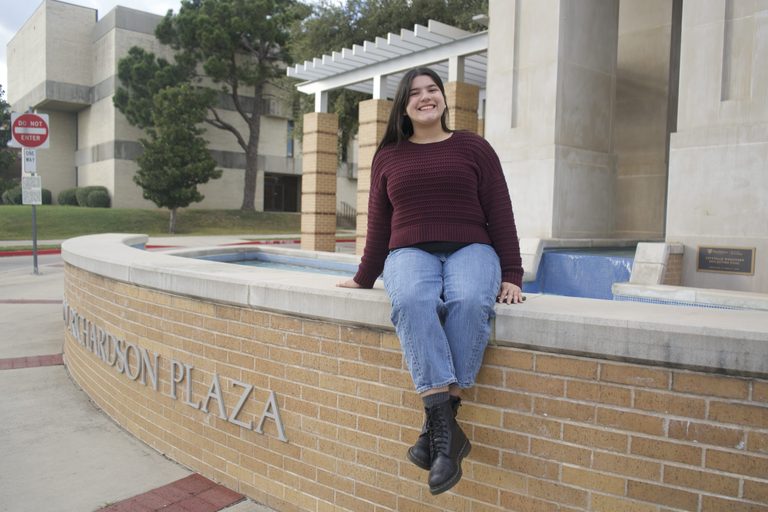
Josephine Juarez, a sophomore at Texas Wesleyan University, has spent her entire life in Fort Worth, Texas. From childhood trips to the Fort Worth Zoo and the Museum of Science and History to afternoons in the children’s section of the Fort Worth Public Library, the city’s cultural institutions have been a constant presence in her upbringing.
From Candleridge to Campus
Although she currently lives in the Candleridge neighborhood, Juarez says her daily routine centers around Polytechnic Heights, where Texas Wesleyan sits. She works as a content producer for The Rambler, the university’s student‑run publication, and balances her studies in mass communication and theater with a growing sense of civic responsibility.
Why Fort Worth Still Holds a Special Place
Juarez attributes her enduring affection for Fort Worth to a blend of Southern hospitality, abundant recreational options, and a deep‑seated feeling that the city has always welcomed her. “It’s like the lyrics to ‘Deep in the Heart of Texas,’” she writes, noting that the city’s warmth feels instinctual.
Even when teenage doubts crept in—questioning whether staying in her hometown meant settling—she eventually realized that the city’s offerings were far from limited. A senior‑year epiphany led her to revisit familiar spots, discovering that while the venues had evolved, her own perspective had matured alongside them.
Giving Back Through Service
Motivated by a desire to repay Fort Worth for its lifelong support, Juarez has taken on volunteer roles that reinforce the community’s fabric. She now volunteers at Riverside Community Center and has spent two summers working for Camp Fort Worth, a program she once attended as a child.
Her commitment reflects a broader trend among young adults in the area who choose to remain local, contribute to family‑friendly initiatives, and strengthen the city’s social safety net through hands‑on involvement.
Fort Worth Demographics at a Glance
According to recent Census Reporter data, Fort Worth’s population stands at 5,091 residents. The community is fairly balanced gender‑wise (52% male, 48% female) and spans a wide age range, with notable representation among those aged 20‑29 (12%) and 30‑39 (14%). Educational attainment varies, with 20% holding bachelor’s degrees and 14% possessing post‑graduate credentials. Racially, the city is diverse: 32% White, 22% Black, 36% Hispanic, 7% Asian, and 3% identifying as two or more races.
These figures underscore the vibrant, multicultural environment that fuels the city’s cultural institutions and volunteer opportunities—assets that residents like Juarez cherish and seek to preserve for future generations.
Looking Forward
As Juarez looks ahead, she envisions a future rooted in Fort Worth, where she can continue to serve, learn, and grow alongside the community that has shaped her identity. Her story is a testament to the power of local pride, family values, and the enduring appeal of a city that truly loves its residents back.
Original reporting: Fort Worth Report — read the source article.