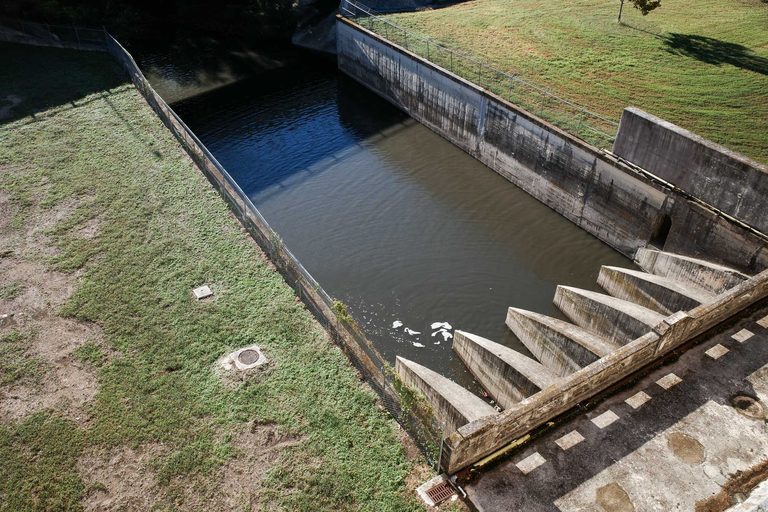
San Antonio’s City Council voted in October to include a $208 million stormwater revenue bond in the 2027 bond package. Unlike the infrastructure and housing bonds that will appear on the May ballot, the stormwater bond does not require voter approval; it is set by council in accordance with state statutes.
Why a new stormwater bond?
According to Art Reinhardt, director of Public Works and manager of the San Antonio Storm Water Utility, the city has not issued a dedicated stormwater bond since 2005. “Faced with a budget crisis, raising taxes and fees, and a lower‑capacity bond, we needed a new tool to keep major projects like Project Marvel on track,” Reinhardt said.
Stormwater fees, first established in 1993, generate roughly $57 million a year, with about 90 percent covering operations, maintenance, and some capital costs from earlier bonds. The utility fee is strictly limited to drainage and flood‑control work and cannot be diverted to other capital projects such as streets.
Proposed fee increase
To fund the new bond, the council is considering a five‑year fee schedule that would raise the average residential stormwater charge to $4.94 per month in the first year – an increase of $0.25 per month over the current rate. The schedule calls for a 5 percent rise in 2028 and 2029, followed by 3.5 percent in 2030 and 2031, and 3 percent in 2032.
Fees are tiered based on the amount of impervious surface on a property, a measure of how much land cannot absorb water. The city provides a map showing each property’s impervious area to help owners understand their tier.
Projects slated for funding
The Storm Water Management Advisory Board, created after the 2022 bond committee, vetted and ranked 20 projects for the bond. Funding ranges from $26.2 million for the fourth phase of a drainage project on Barbara Drive in District 1 to $1 million for a culvert replacement in District 9. The board scores projects on criteria such as the number of homes removed from floodplains and improvements to roadway safety, aiming to keep politics out of the selection process.
Reinhardt noted that without a dedicated stormwater bond, the city would have to rely on general obligation bonds, which would limit funding for other essential projects like streets, parks, and community facilities.
Regional context
Bexar County runs a similar stormwater fee under a different statute to support its own flood‑control program, and the San Antonio River Authority approved a 5.46 percent fee increase for fiscal year 2027 to fund river‑basin management.
All of these fee adjustments mark the first coordinated increases in many years, reflecting the city’s effort to address growing infrastructure needs while maintaining fiscal responsibility.
What’s next?
The council will finalize the fee schedule in January when it reviews the full list of 2027 bond projects. Property owners will see the new stormwater charge on their water bill from the San Antonio Water System.
Original reporting: San Antonio Report — read the source article.