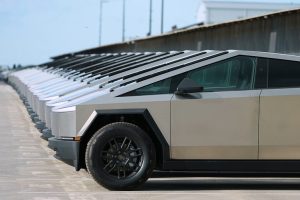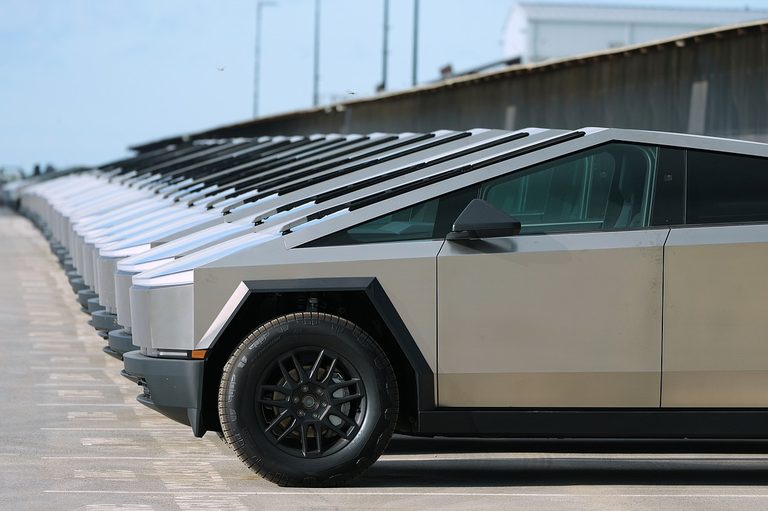
In a brief post on X, Tesla CEO Elon Musk confirmed that the Cybertruck – the stainless‑steel pickup that sparked both admiration and criticism since its 2019 debut – will be “winding down” production around the middle of 2027. The decision was made at Tesla’s manufacturing complex outside Austin, Texas, and is intended to free up capacity for the company’s next major venture: the Cybercab robotaxi.
Why the change?
Musk explained that the shift reflects Tesla’s broader strategic focus on autonomous vehicle technology. While the Cybertruck generated significant media attention and cultivated a dedicated fan base, sales have not met the lofty forecasts once set by the company. Kelley Blue Book reported that Tesla sold just 20,237 Cybertrucks last year, roughly half the volume of the previous year, with a further 28% decline in sales through September of this year.
Local impact in Texas
The Austin plant has been a major employer in the region, and the transition to robotaxi production is expected to create new job opportunities in advanced manufacturing and software development. Local officials have expressed optimism that the move will keep Tesla’s Texas operations vibrant and continue to contribute to the state’s reputation as a hub for high‑tech industry.
Reactions from the community
Long‑time Cybertruck enthusiasts shared mixed feelings. Ross Blankenship, a Colorado resident who purchased a Cybertruck after being drawn to its futuristic design, said the news was “a little heartbreaking” but praised Musk’s vision for the future of transportation. Former Tesla executive Spencer Penn noted that the vehicle embodied Tesla’s adventurous spirit, even if not every bet paid off.
What’s next for Tesla?
With the Cybertruck’s production winding down, Tesla will accelerate development of the Cybercab, a fully autonomous robotaxi that Musk believes will be a cornerstone of the company’s future revenue. The shift aligns with Tesla’s long‑term goal of expanding its autonomous‑driving fleet and reducing reliance on traditional vehicle sales.
Industry perspective
Auto analysts view the move as a logical step for a company that has repeatedly pivoted toward emerging technologies. While the Cybertruck will remain a cultural touchstone, its discontinuation underscores the challenges of translating bold design concepts into sustained market demand.
Consumers who own or are interested in the Cybertruck can still expect service and parts support from Tesla for the life of the vehicle, and the company has not indicated any plans to discontinue existing warranty coverage.
Original reporting: Texarkana Gazette — read the source article.