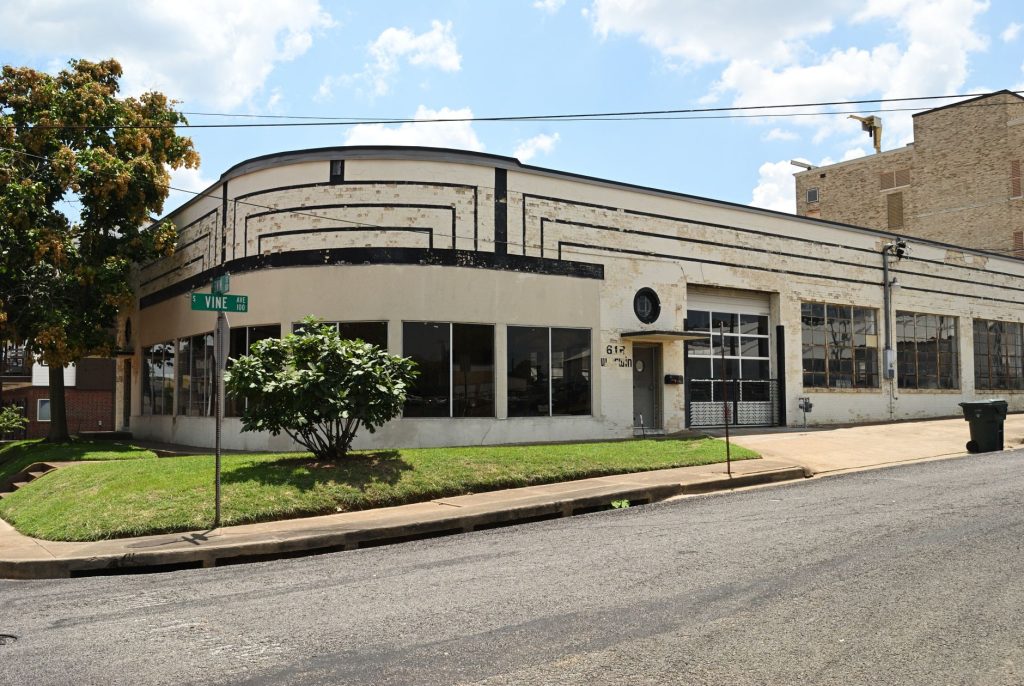
The Bert Wheeler Baseball Museum shares a building with the East Texas Baseball Hall of Fame, tucked into a low-key space on the campus of the University of Texas at Tyler — which is itself easy to drive past without realizing it holds a piece of regional sports history that stretches back nearly a century.
Wheeler was a Tyler native who spent parts of four seasons in the major leagues in the 1920s, and the museum that bears his name grew out of a broader effort to document East Texas baseball going back to the early 1900s. The result is a collection that rewards anyone with patience and even a passing interest in how small-town America once organized itself around the game. Photographs, uniforms, scorecards, and equipment fill the display cases, most of it donated by families across Smith County and the surrounding region.
What makes the place unusual is the hyper-local focus. The Hall of Fame inductees are not household names nationally, but that’s the point. These are players, coaches, and contributors from Tyler, Longview, Nacogdoches, and the towns in between — people who played in the East Texas League during the Depression, or coached high school ball for thirty years at the same school. Reading the plaques, visitors get a surprisingly vivid picture of community life in a part of Texas that rarely shows up in mainstream sports history.
The museum is small, probably an hour to ninety minutes for a thorough visit, and admission is either free or runs only a few dollars depending on whether a special event is happening. The UT Tyler campus on North Patriot Drive is easy to navigate; parking is generally not a problem on weekends. Staff or volunteers tend to be on hand during open hours and are genuinely knowledgeable, the kind of people who can tell you which inductee still attends the annual ceremony at eighty-three and which 1940s team photograph required tracking down three different families to identify everyone in the frame.
Spring and early summer are natural times to visit, when baseball season is running and the museum occasionally hosts induction ceremonies or related events that draw former players and their families. Those occasions turn the space into something livelier — conversations in the hallway, old men pointing at photographs of themselves at nineteen. Outside of events, it’s quiet, which suits the material.
The museum doesn’t try to compete with the grand baseball halls. It doesn’t have the budgets or the celebrities. What it has is specificity, the kind that only accumulates when people in one place decide that their own past is worth preserving and spend decades collecting evidence of it. For anyone interested in East Texas history, or in the minor-league and amateur baseball culture that shaped small Southern cities through most of the twentieth century, this is one of the more serious local repositories around.
It’s the sort of institution that locals drive past for years before actually stopping in — and then feel vaguely embarrassed they waited so long.