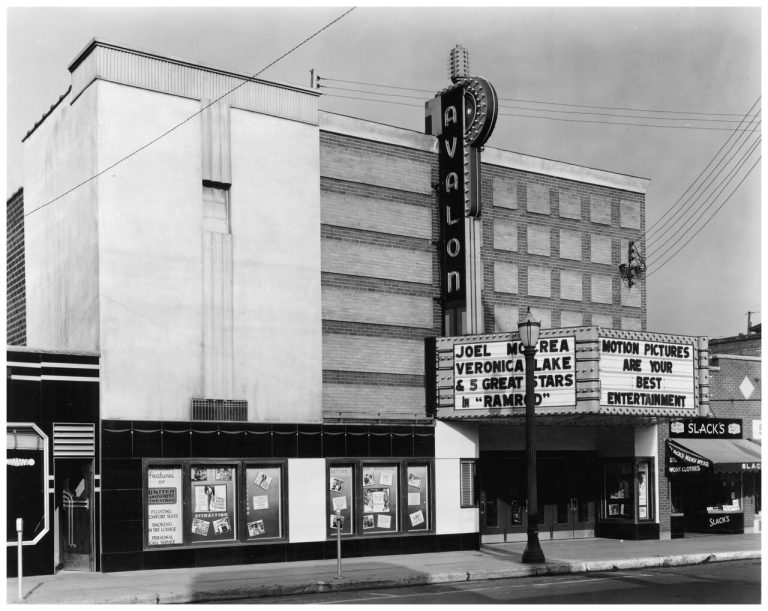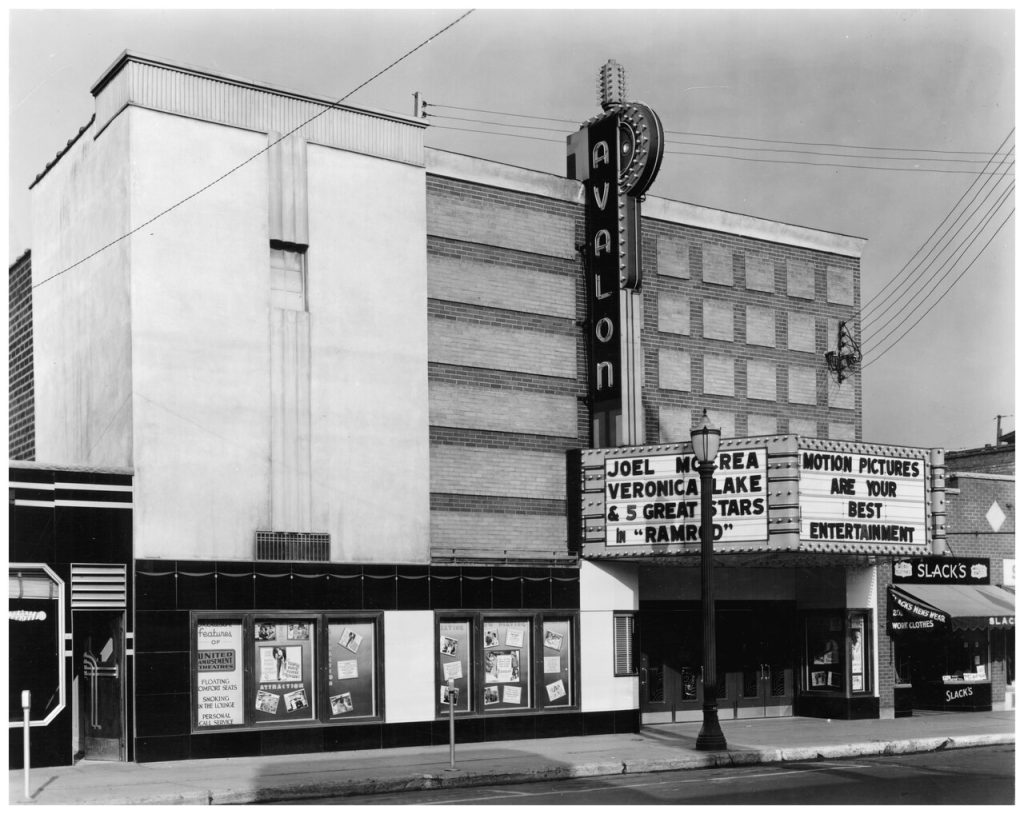
The Avon Theatre has been showing films in downtown Stamford since 1939. That’s older than the Interstate Highway System, older than television sets in living rooms, and — this is the part that matters — older than every multiplex that tried to bury it. It’s still there on Bedford Street, still single-screened, still selling tickets to movies that the Regal down the road wouldn’t touch with a forty-foot marquee pole.
Start with the building itself. The facade is modest almost to the point of stubbornness, which is probably the point. Inside, though, the place has been carefully restored: clean sight lines, decent legroom, a sound system that earns its keep. It seats around 170 people, and on a Friday night for a well-reviewed indie or a classic revival, those seats fill up. On a Tuesday for something more obscure, you might have the room largely to yourself, which has its own quiet pleasure.
The programming is the reason to pay attention. The Avon rotates through current international releases, American independents, documentary runs, and regular repertory screenings — think Kubrick retrospectives, restored Westerns, the occasional Criterion pick. They also host the Avon Film Forum, a monthly discussion series tied to thematically linked films that draws a crowd who actually wants to argue about what they just watched. There’s a lecture series, filmmaker Q&As, and partnerships with local organizations that add context without getting preachy about it.
Tickets run $12–$15 for general admission, with discounts for members, seniors, and students. The annual membership is worth doing if you go more than a few times a year — it pays for itself fast, and members get advance notice of special screenings before tickets vanish. And tickets do vanish, particularly for anything with a rep following or a filmmaker in attendance.
The concession stand is small but sensibly edited. They have popcorn, obviously, but also beer and wine if you want to watch an Almodóvar film with a glass of something Spanish, which is an entirely reasonable impulse. The lobby doubles occasionally as event space, and the staff tend to know the films on the schedule well enough to have opinions about them, which remains a rarer quality than it should be.
The neighborhood context helps, too. Bedford Street in that stretch has enough going on that you can build an evening around the Avon without much effort — dinner before, a drink after, a walk to the garage without worrying too much about the city at that hour. It sits comfortably in its block without demanding attention, which is something of a civic virtue.
What makes the Avon work, in the end, is that it’s doing something specific. It’s not trying to be a fun night out for everyone. It programs for people who care about film as a thing worth caring about, then trusts that enough of them live within driving distance of Stamford to keep the lights on. So far, that bet has been right for over eighty years. Given what it’s survived — television, the VHS era, streaming, a pandemic — it’s hard to argue with the logic.