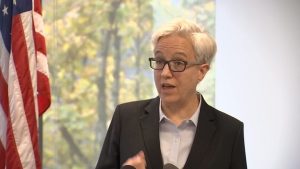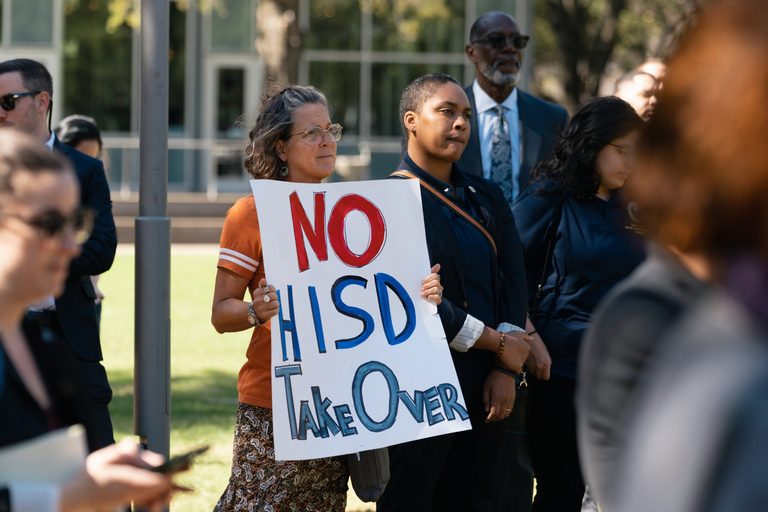
School board managers appointed by the Texas Education Agency (TEA) in several large districts are already planning for their own departure. The managers said Friday they expect to be out of a job as early as January, when Gov.-elect Gina Hinojosa is expected to install a new education commissioner who can restore locally elected trustees to the boards.
Hinojosa’s promise to end state takeovers
During her campaign, Hinojosa pledged to halt state takeovers of public schools and to replace TEA Commissioner Mike Morath with an educator on her first day in office, Jan. 19. If her appointee acts quickly, the eight districts currently under state control – including Houston ISD (HISD) and Fort Worth ISD (FWISD) – could see their appointed managers replaced.
Managers brace for transition
Ric Campo, president of the Houston ISD board of managers, said his team is meeting with elected trustees on Monday to lay out a “robust” transition plan. Campo added, “I’ve always said – in public and to the elected trustees – that we’re working ourselves out of a job, and we’re happy to do it.” He expects the elected trustees to be ready to assume full authority by January.
Pete Geren, the appointed president of the Fort Worth ISD board of managers, echoed the sentiment. Geren told the Tribune that he has already called the elected FWISD board president to assure a “smooth transition.” “I know they will have the authority on day one to replace all of us,” he said, adding that the current limbo must not disadvantage the children.
What the law requires
Texas law allows the commissioner to take over a district after a campus receives five consecutive academically unacceptable ratings or when a school is forced to close. The TEA’s intervention is intended to improve achievement for low‑performing students, and some Republicans have praised the model, citing Superintendent Mike Miles’ reforms in HISD as a possible template for other struggling districts.
Local voices welcome the change
Teachers, parents and community organizers expressed relief at the prospect of returning control to locally elected boards. Elizabeth Chapman, an English teacher and parent in Houston, said, “Everybody thought this trend of the state running schools was unstoppable… now we have an answer that the people of Texas want local control of their school districts.” Jessi Heiner, an organizer with the Houston Federation of Teachers, said she began sobbing when Gov. Greg Abbott conceded the race, adding that the change felt like “saving our school district and the Texas public education system.”
Potential impact on reforms
Under the takeover, districts have implemented strict mandates such as district‑created lesson plans, daily quizzes and frequent multiple‑response assessments. While some view these measures as necessary for raising standards, conservative‑leaning think tank the Thomas B. Fordham Institute warned against discarding all progress. Michael Petrilli, its president, cautioned, “To throw the whole baby out with the bathwater would be a huge mistake… we go back to Houston’s performance before this takeover, which was abysmal for a long, long time.”
Newly appointed trustees will have the authority to keep, modify or reverse any reforms enacted during the state intervention. The transition package being prepared by the managers will include detailed information on operations, transportation, human resources, classroom learning and teacher incentive pay, ensuring elected officials have the data they need to govern effectively.
Next steps for the Hinojosa administration
Hinojosa is interviewing candidates for the next education commissioner. The nominee must be confirmed by a two‑thirds vote of the Texas Senate, but Hinojosa can appoint an acting commissioner in the interim. TEA Commissioner Mike Morath, the second‑longest‑serving education chief in Texas history, issued a brief statement saying the agency’s mission continues and he is praying for the success of the incoming leaders.
As the new administration prepares to take office, the appointed managers remain focused on a seamless handoff that puts students first and respects the constitutional principle of local control over education.
Original reporting: Texas Tribune (HLL/CB) — read the source article.