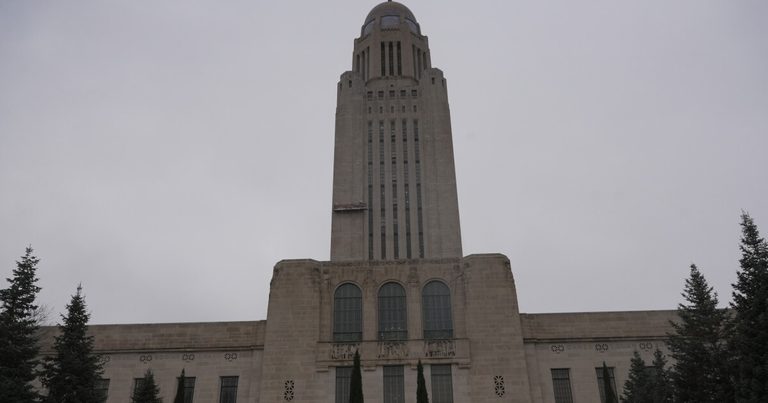
Lincoln, Neb. – The 2026 midterm results have reshaped the composition of the Nebraska Legislature. While the body remains officially nonpartisan, the balance of party registration has shifted: registered Republicans now hold 32 of the 49 seats, falling short of the 33‑senator supermajority needed to invoke cloture and end a filibuster.
Election outcomes break the supermajority
Registered Democrats captured several key districts, including seats in Bennington, Ralston and portions of Omaha. One of the newcomers, Senator‑elect Christy Knorr of District 12, highlighted the significance of the change. “Hopefully, it means that we’re going to be willing to work together more, and reach across the aisle more,” Knorr told 3 News Now.
Implications for legislative process
With only 32 registered Republicans, GOP lawmakers will no longer be able to meet the cloture threshold on their own. This procedural shift means that contentious bills will likely require broader bipartisan support to advance, encouraging more collaboration among legislators.
Senator‑elect Knorr’s priorities
Knorr emphasized a desire to focus on constituent concerns rather than partisan posturing. “No more of the arguing and the dramatic stuff, the games, all of that,” she said. “They’re just ready for us to get to work and make sure we’re taken care of Nebraska.” Her platform centers on practical solutions to issues raised by voters during her campaign.
Governor Pillen’s approach
Governor Jim Pillen, a Republican, has pledged to build constructive relationships with the incoming Legislature as the 2027 session begins on Jan. 6. He noted that a more balanced chamber could foster thoughtful debate on the state’s pressing matters, particularly the ongoing property‑tax discussion that dominates local politics.
What’s next for the Legislature?
The upcoming session will tackle several high‑profile topics, with property‑tax reform topping the agenda. Lawmakers will need to navigate the new partisan dynamics to craft policies that address taxpayer concerns while maintaining essential public services.
Local impact
For Nebraskans, the shift promises a legislative environment where compromise may become the norm rather than the exception. Residents in districts that switched party registration can anticipate a more responsive representation that reflects a broader spectrum of viewpoints.
As the Legislature reconvenes, both parties will have an opportunity to demonstrate stewardship of the state’s resources and uphold the values of family, faith, and individual liberty that many Nebraskans hold dear.
Original reporting: KMTV 3 News Now (Scripps) – local — read the source article.