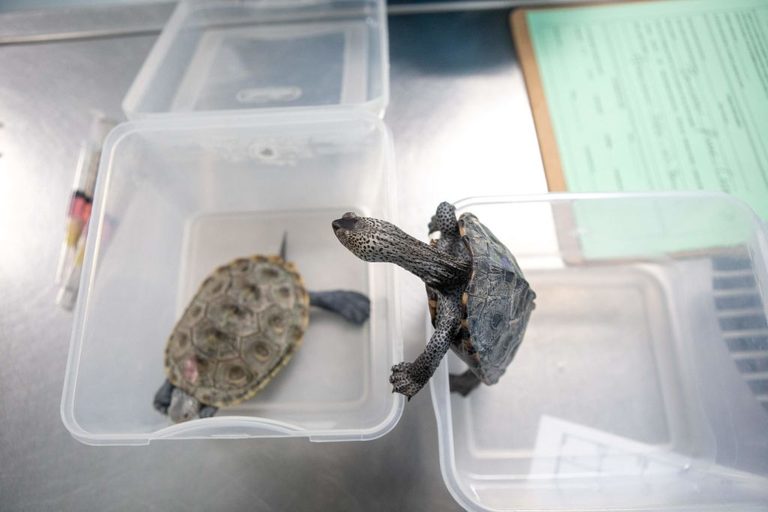
Bethesda, Md. – The Maryland Department of Natural Resources (DNR) announced draft revisions to the state’s native reptile and amphibian regulations, a move that could affect hobbyists, educators and rescue groups who keep native species as pets.
Key provisions of the proposal
The proposed rules would:
- Prohibit the collection of diamondback terrapins and box turtles from the wild.
- Limit the possession, breeding, sale and trade of most native snakes and frogs.
- Apply only to species that are native to Maryland.
Existing owners who already possess native species under current regulations could apply for a free permit to retain their animals. Educational institutions and animal‑rescue organizations would continue to be eligible for Captive Reptile and Amphibian Permits, allowing them to keep these animals for teaching or rehabilitation purposes.
Why the changes are being considered
The DNR says the revisions are driven by conservation concerns, including the risk of disease transmission, pressure from collectors and illegal trade that threaten wild populations. The last update to these regulations occurred in 2016, and officials say new scientific data and law‑enforcement assessments justify a modernized approach.
Public input requested
The agency is asking residents, hobbyists and stakeholders to submit comments by November 27. Comments can be made by phone (410‑260‑8540), fax (410‑260‑8596) or in writing to the DNR Wildlife and Heritage Service.
Stakeholders who support the changes argue that protecting native wildlife is essential for preserving Maryland’s natural heritage and preventing the spread of invasive pathogens. Critics, however, worry that the new restrictions could burden responsible pet owners and small businesses that rely on the sale of native species.
What this means for Maryland families
For families who keep native turtles, snakes or frogs as part of a backyard learning experience, the proposal underscores the importance of checking whether a permit is required. The DNR’s outreach emphasizes that the free permit process is intended to help lawful owners remain in compliance while safeguarding wild populations.
Maryland’s wildlife officials will review the public feedback before finalizing the regulations, which could become law later this year.
Original reporting: Arlington County | FOX 5 DC — read the source article.