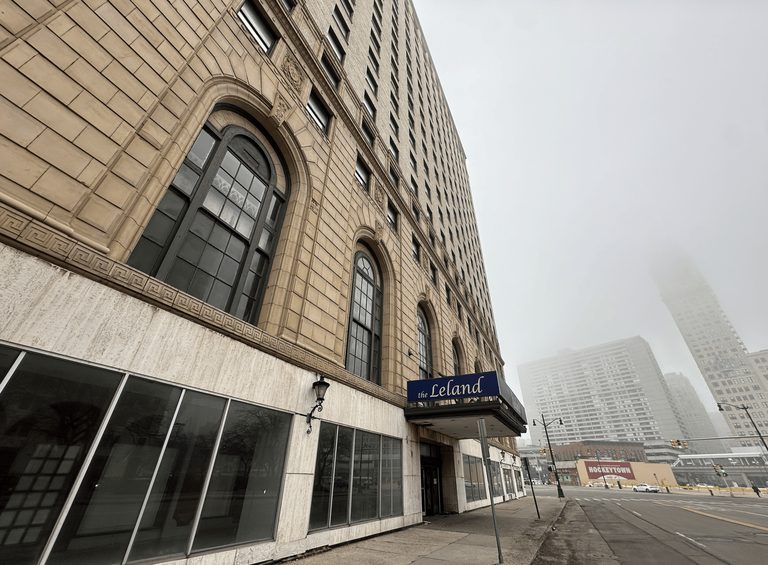
Detroit residents who were forced out of the historic Leland House apartments last December will each receive $15,000 as part of a court‑approved bankruptcy settlement. The agreement, signed this week, represents more than $500,000 in total compensation for the 37 families who lost their homes after an electrical outage caused by faulty building equipment.
Union action and city support
Steven Rimmer, chair and executive director of the Detroit Tenants Union, called the settlement a “significant victory” for the displaced renters. Rimmer noted that the tenants organized quickly, stood together, and forced a resolution that is rare in Detroit’s housing disputes. “Residents lost their homes, were separated from their belongings and were left to navigate a crisis that turned their lives upside down,” he said in a statement. “They could have been forced to face this alone. Instead, they organized, stood together and fought.”
How the money will be paid
The $15,000 payments will be drawn from the proceeds of the building’s recent $3 million sale. U.S. Bankruptcy Judge Maria approved the settlement on Nov. 5, and the funds are expected to be distributed in the coming weeks.
City’s financial sacrifice
City officials played a crucial role in making the settlement possible. Corporation Counsel Conrad Mallett Jr. told the Free Press that Detroit waived a large portion of its own claims in the bankruptcy case, allowing the money to flow directly to the tenants. The city also covered temporary housing costs while families stayed at a Red Roof Inn in Southfield, incurring more than $750,000 in expenses. Mallett said the city anticipates recovering less than $150,000 from the bankruptcy, but chose to forgo those dollars to help families restart their lives.
“To be sure that the tenants could live their lives in a hopefully new and better circumstance … we absolutely chose to forgo dollars that would have reimbursed us, in an effort to make sure that each family could get started anew,” Mallett explained.
Future of the Leland House building
The empty 21‑story high‑rise, located at 400 Bagley St., was sold this spring to Mudhish Development, a limited‑liability company linked to businessman Raad Gobah. Gobah declined to comment on future plans for the property. Mallett admitted the city does not yet know what the new owners intend to do, but expressed willingness to cooperate if a solid redevelopment plan is presented.
“Saying that you’re going to redo the Leland House is a herculean task,” Mallett said. “So we’re interested in what the new owners plan, and to the degree that they approach us with a solid plan, we would certainly be interested in trying to be supportive.”
Historical context
The building opened in 1927 as the Detroit‑Leland Hotel and was renamed Leland House in 1964, becoming a mix of hotel rooms and affordable apartments. It was known for low rents and month‑to‑month leases, making it a vital housing option for many Detroit families. After the equipment failure and subsequent bankruptcy filing, the tenants faced a sudden evacuation and months of uncertainty.
The settlement underscores the importance of strong tenant advocacy and a city willing to prioritize families over fiscal recovery. It also highlights Detroit’s commitment to protecting vulnerable residents, even when it means absorbing short‑term costs for long‑term community stability.
Original reporting: BridgeDetroit — read the source article.