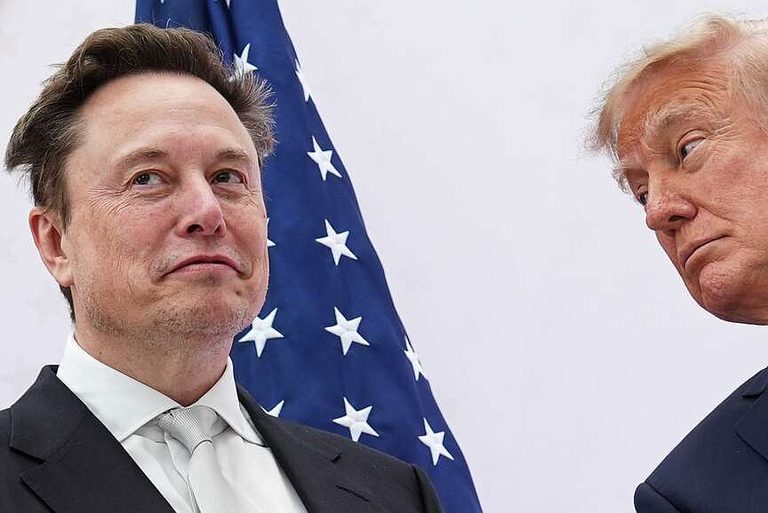
In a high‑stakes effort to bolster the Republican Party in Texas, Elon Musk spent a reported minimum of $445 million on campaign ads and contributions ahead of the November 2026 midterms. Despite the massive outlay, Texas voters delivered a sweeping victory for Democrats, handing the GOP a rare defeat in a state long considered a Republican stronghold.
Election results and key races
The Democratic ticket secured the governorship with James Talarico defeating incumbent Republican Gov. Greg Abbott, who also lost his re‑election bid. In the state House, Democrats won control for the first time in more than three decades, and a Democratic challenger unseated Republican Attorney General Ken Paxton in the U.S. Senate race, despite Paxton benefiting from roughly $158 million of Musk‑funded advertising.
Musk’s spending breakdown
Musk’s contributions included at least $5 million directed toward Gov. Abbott’s campaign and tens of millions poured into ads supporting Republican candidates across the state. The billionaire also financed a $30 million state grant that helped launch a semiconductor plant projected to create 3,000 jobs, a project he has publicly praised.
Voter sentiment
An Associated Press poll of more than 5,000 Texas voters found that slightly more than half hold an unfavorable view of Musk. While he remains popular among MAGA‑aligned Republicans, his favorability drops among non‑MAGA GOP voters and falls sharply among independents and Democrats.
Republican reactions
Outgoing Rep. Chip Roy (R‑Texas) warned that the sheer volume of Musk‑funded ads may have backfired, saying, “You’re reaching the upper bound of the benefit of any of these dollars. People are turned off by the same ads over and over.”
Impact on Musk’s businesses
Following the election night, shares of Musk’s publicly traded companies fell sharply. Tesla’s market value dropped about $40 billion, while SpaceX lost a similar amount, erasing roughly $45 billion from Musk’s net worth. Analysts at Charles Schwab linked the decline to investor concerns about potential congressional investigations into Musk’s business practices.
Political context
The election outcome also represents a setback for President Donald Trump, who suffered his own losses in the same cycle. While Trump’s campaign did not directly coordinate with Musk’s spending, the broader Republican defeat underscores the challenges the party faces in a state where voters are increasingly focused on issues such as tax breaks, corporate influence, and cost‑of‑living pressures.
Looking ahead
With a Democratic governor and a Democratic‑controlled state House, Texas policymakers may scrutinize Musk’s tax breaks and state grants more closely. Democrats have already called for investigations into the $1.7 billion property tax break Musk received, framing it as an example of “open corruption.” Musk has not responded to requests for comment.
Original reporting: Texarkana Gazette — read the source article.