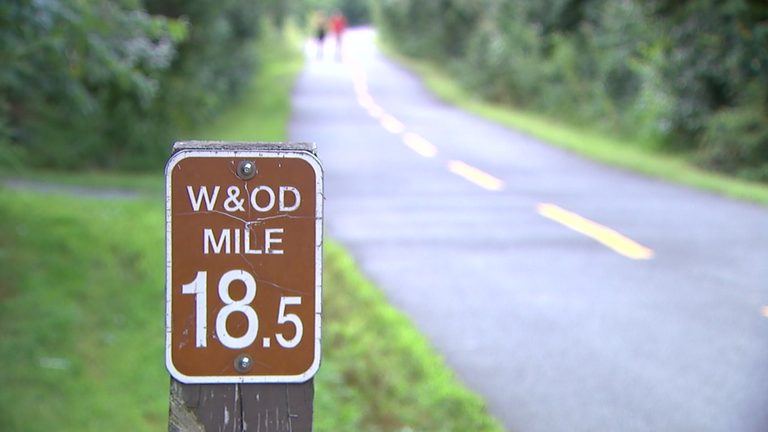
The Northern Virginia Regional Park Authority (NVRPA) is set to cast a decisive vote on Nov. 19 regarding the future of electric bicycles and electric scooters on the Washington and Old Dominion (W&OD) Trail. The 45‑mile multi‑use path, which stretches from Arlington to Loudoun County, has become a focal point for safety debates among trail users.
Proposed restrictions and penalties
The proposal under consideration would allow the NVRPA to impose usage limits on e‑bikes and e‑scooters for certain riders. In addition, the authority could levy fines of up to $250 against anyone who violates an approved regulation. The measure is intended to address growing concerns that motorized devices travel at speeds that outpace traditional cyclists, creating hazardous passing situations.
Community concerns drive the agenda
Local cyclists, families, and advocacy groups have voiced frustration that the rapid acceleration of e‑bikes and e‑scooters makes it difficult to maintain a safe, shared‑use environment. “We love the trail, but when a scooter zips by at 30 mph, it feels like a danger to everyone else,” said one frequent rider during a recent outreach session hosted by the town of Vienna.
Police officials have also weighed in, expressing opposition to a simple speed‑limit rule. Their concern is that a blanket speed cap could unintentionally penalize traditional cyclists, who rely on the trail for commuting and recreation.
Outreach and education efforts
In the weeks leading up to the vote, several jurisdictions along the trail have organized public‑information meetings. These sessions focus on trail etiquette, proper use of motorized devices, and the distinction between true e‑bikes and higher‑speed electric motorbikes that can reach speeds near 40 mph. While some manufacturers market these faster machines as e‑bikes, the NVRPA clarifies that they fall outside the definition of an e‑bike and may be subject to different regulations.
Potential impact on trail users
If the NVRPA adopts the proposed restrictions, e‑bike and e‑scooter riders could face designated lanes, time‑of‑day limits, or outright bans in certain sections of the trail. Supporters argue that such measures would protect families, seniors, and children who use the path for walking, jogging, and traditional cycling.
Critics, however, warn that overly restrictive rules could discourage sustainable transportation options and limit the trail’s appeal to younger commuters who rely on e‑bikes for longer trips. They also point out that enforcement of a $250 fine would require additional resources from local law enforcement.
What comes next?
The Nov. 19 vote will be conducted in Vienna, where the NVRPA board will review public comments, law‑enforcement input, and data on trail incidents. The outcome will shape how the W&OD Trail is managed for years to come, balancing the desire for open‑air recreation with the need for safety and responsible use.
Residents who wish to weigh in can attend the next public hearing scheduled for early December, or submit written comments through the NVRPA website. The authority has pledged to keep the decision‑making process transparent and to provide regular updates to the community.
Original reporting: Arlington County | FOX 5 DC — read the source article.